The Premier League Title Race: Analyzing the City-Arsenal Dynamic
The Tactical Shift at the Etihad
Sunday’s clash between Manchester City and Arsenal defied the pre-match narrative of a suffocating, tactical standoff. Instead, the game provided a high-intensity spectacle that forced both managers out of their expected comfort zones. Rather than a cagey affair characterized by cautious defensive blocks and low-risk possession, the fixture erupted into a frenetic exchange of transitions, forcing both coaching staffs to gamble on their defensive structural integrity to chase a decisive advantage.

City, holding the imperative to secure points to maintain their trajectory, immediately applied heavy pressure to rattle the visitors’ composure. While Mikel Arteta’s Arsenal absorbed that opening surge, their rapid equalizer served to momentarily stun the hosts and disrupt the expected rhythm of the contest. The remainder of the first half was defined by a stalemate in territory and technical execution, but the second 45 minutes saw a dramatic shift in gears, proving that neither side was content with a share of the spoils.
A Different Kind of Arsenal Performance
Critics frequently label Arsenal as "bottlers" or cite a lack of aggression in pivotal encounters where the stakes are highest. Sunday’s display effectively debunked those claims by demonstrating a high degree of tactical courage. Even before falling behind 2-1, the Gunners exhibited the forward-thinking mentality expected of championship contenders, forcing City to retreat into uncharacteristic defensive postures. They committed significant numbers to the attack and tested City’s structure repeatedly, coming within millimeters of a different outcome after striking the woodwork twice—most notably during Kai Havertz’s late, missed opportunity that could have altered the narrative entirely.
Psychological Hurdles and Consistency
The contrast between this performance and last week’s home defeat to Bournemouth is stark and merits deeper investigation. It suggests that the team’s struggles against lower-table opposition were less about physical fatigue and more about the psychological challenge of maintaining "big-game" intensity against perceived lesser opponents. When facing a titan like City away from home, that focus appears naturally; the challenge for Arteta is now replicating that level of urgency on quieter afternoons at the Emirates where complacency often takes root. The disparity in output between these two performances highlights a fundamental maturity gap that Arsenal must bridge if they intend to survive the final stretch of the title race.

The Path Forward and Strategic Disparities
Despite the result, Arsenal remains in a theoretically favorable position in the table. They continue to occupy the upper echelons of the standings, and even if City eventually leapfrogs them on goal difference, the margin remains razor-thin. This is a noticeably different, perhaps more fallible, Manchester City side than the juggernauts that pushed Liverpool to 90+ points in previous years. Arsenal must capitalize on this structural variability and maintain their internal composure, as the pressure to perform will only intensify as the final whistle of the season approaches.
However, the underlying data favors Pep Guardiola’s side for the ultimate victory. The club’s absence from European competition is a distinct, tangible advantage, granting the squad a level of physical freshness that their rivals simply cannot replicate at this late stage of the campaign. By avoiding the midweek fatigue of continental fixtures, City retains a level of training intensity and injury protection that makes them a much more formidable engine for a sprint to the finish line.
The Implications of Managerial Stability
Perhaps most telling is Guardiola’s newfound tactical stability compared to past iterations of his tenure. He has settled on a consistent starting XI—a tactical rarity for a manager famous for his predilection for perpetual rotation. This continuity, likely facilitated by a less congested fixture list, has yielded immediate, measurable results: three consecutive wins against Liverpool, Chelsea, and Arsenal. In those matches, the team scored nine goals while conceding just once, signaling a defensive rigidity that was previously missing. The only meaningful disruption to this rhythm has been the rotation of James Trafford in cup fixtures, which has failed to dampen the momentum of the league squad.
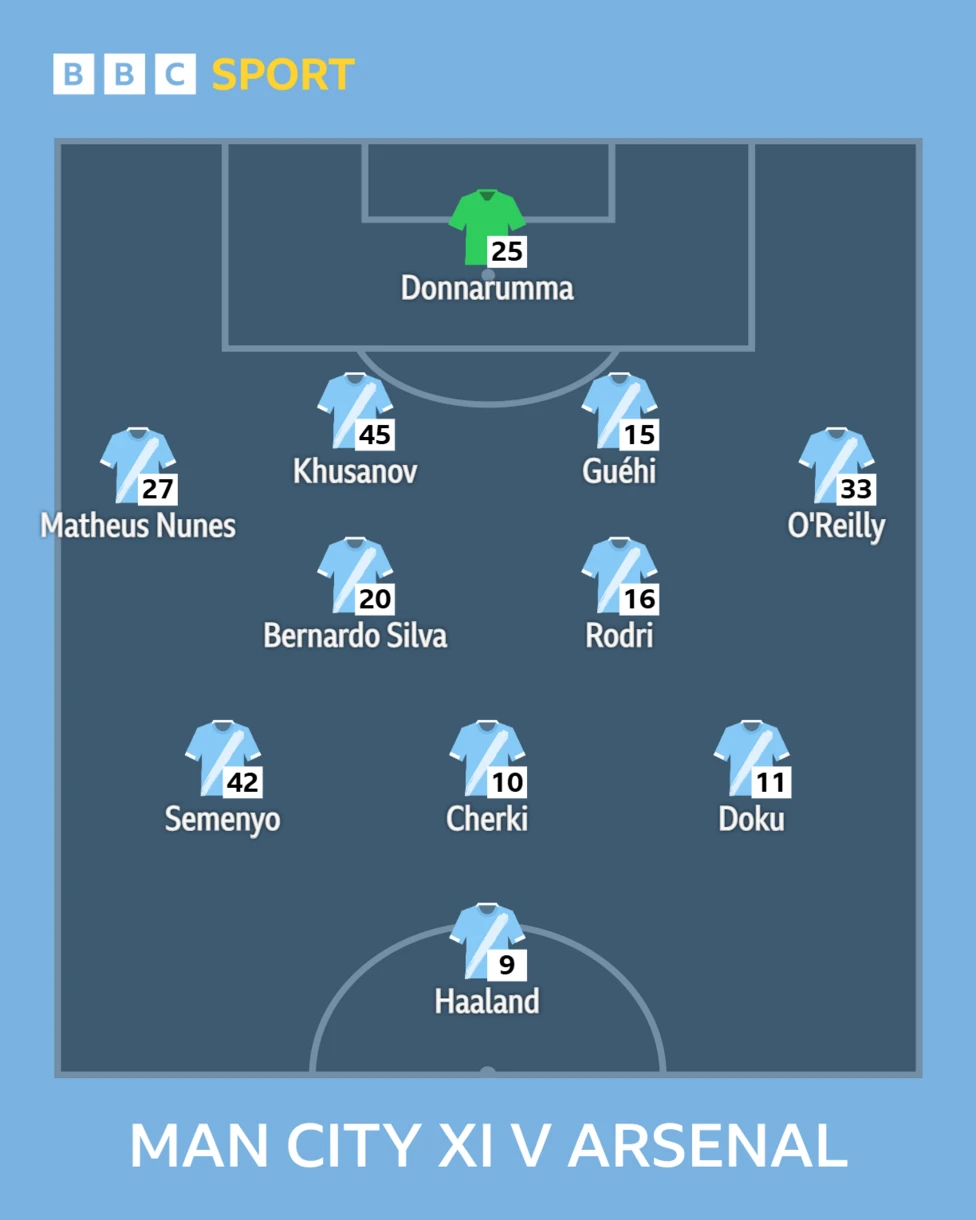
The collective chemistry within the City camp is currently unparalleled in the league. The partnership between Rodri and Bernardo Silva effectively dictates the tempo of play, while the attacking quartet appears fully synchronized and capable of exploiting even the tightest defensive gaps. This internal composure stands in stark contrast to the climate currently enveloping Arsenal. Following back-to-back league defeats, the Gunners enter their upcoming clash with Newcastle burdened by mounting scrutiny and a fan base whose anxiety is increasingly reflected in the team's jittery movements on the pitch. City operates under no such duress, possessing a veteran core comfortable with the relentless demands of a title chase, mirroring the swagger of the dominant Manchester United sides of the past. While Arsenal grapples with the tension of being the hunted, City plays with the clinical confidence of an organization that knows exactly how to navigate the pressure of a final-day triumph.
Analysis provided by Danny Murphy via BBC Sport.