The Versatility Trap: Why Colorado’s Tactical Flexibility Is the Real Playoff Threat
The Colorado Avalanche entered the postseason with a reputation built on high-octane offensive production, leading the league in goals. Yet, the narrative following their 2-1 Game 1 victory over the Los Angeles Kings isn't about their scoring prowess—it’s about their newfound willingness to win in the margins. For the casual observer, an Avalanche victory might be expected, but the methodology applied on Sunday suggests a far more dangerous evolution in how this team handles postseason resistance.
For thirty-five minutes, the scoreboard remained stagnant. This wasn't the result of offensive anemia, but rather a deliberate demonstration of defensive structure. Colorado held Los Angeles to a mere 16 shots through two periods, effectively stifling any momentum the Kings hoped to generate. While the Colorado Avalanche have the personnel to overwhelm opponents with firepower, Game 1 served as an exercise in patience and systematic containment.
The significance here is depth. The box score indicates that neither Nathan MacKinnon—the recipient of the Rocket Richard Trophy—nor Martin Necas factored into the scoring. When a roster can secure a win via goals from Arturri Lehkonen and Logan O'Connor, the tactical ceiling for the opposition shrinks significantly. You cannot simply build a defensive scheme to shadow the stars when the supporting cast possesses the capability to capitalize on the few high-danger chances that emerge in a low-event game.
On the other side of the ice, the Kings managed to stay relevant largely due to Anton Forsberg. His performance was the only reason the game remained within reach, allowing Artemi Panarin to eventually bridge the gap with a power-play marker late in the third. However, the game turned on discipline. Joel Armia’s second penalty with less than two minutes remaining effectively neutralized any late-game surge Los Angeles could mount. Against a team like Colorado, discipline isn't just an asset; it is a prerequisite for survival.
The Goaltending Conundrum
Scott Wedgewood’s debut performance, where he stopped 24 of 25 shots to secure his first career playoff win, presents an interesting dilemma for coach Jared Bednar. Wedgewood closed the regular season on a tear, winning 11 of his final 14 starts. While the presence of Mackenzie Blackwood on the bench offers an insurance policy, Wedgewood has earned the right to start Game 2. Consistency in the crease is the only variable that could potentially disrupt a team this deep, and for now, the job is Wedgewood's to lose.
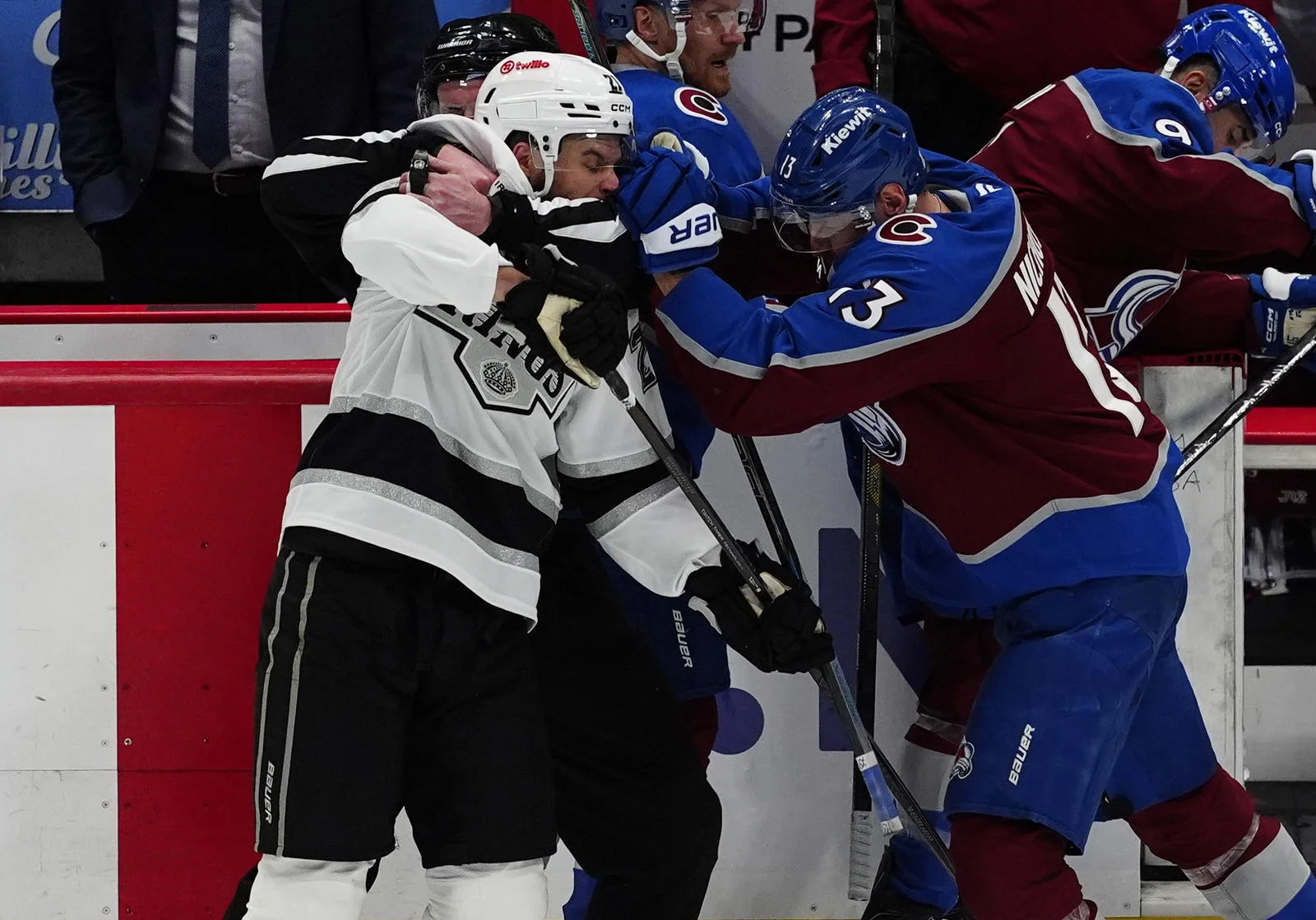 Calm In The Storm: Wedgewood Lifts Avalanche Past Kings In Game 1
Scott Wedgewood’s unshakable playoff debut and a pair of timely third period finishes carried Colorado through a chaotic, hard-edged Game 1 that never stopped teetering before finally breaking their way.
Calm In The Storm: Wedgewood Lifts Avalanche Past Kings In Game 1
Scott Wedgewood’s unshakable playoff debut and a pair of timely third period finishes carried Colorado through a chaotic, hard-edged Game 1 that never stopped teetering before finally breaking their way.
Beyond the Offensive Narrative
Analysts often fixate on Colorado’s scoring records, but the underlying metrics tell a different story about their competitive advantage. The team finished the regular season allowing only 2.40 goals against per game. This defensive efficiency is the "silent" killer of playoff ambitions. If an opponent plays a run-and-gun style, Colorado has the speed and skill to win the exchange. If the opponent elects to "trap" or grind, as the Kings attempted, Colorado has proven they can adapt to a low-scoring, possession-heavy grind.
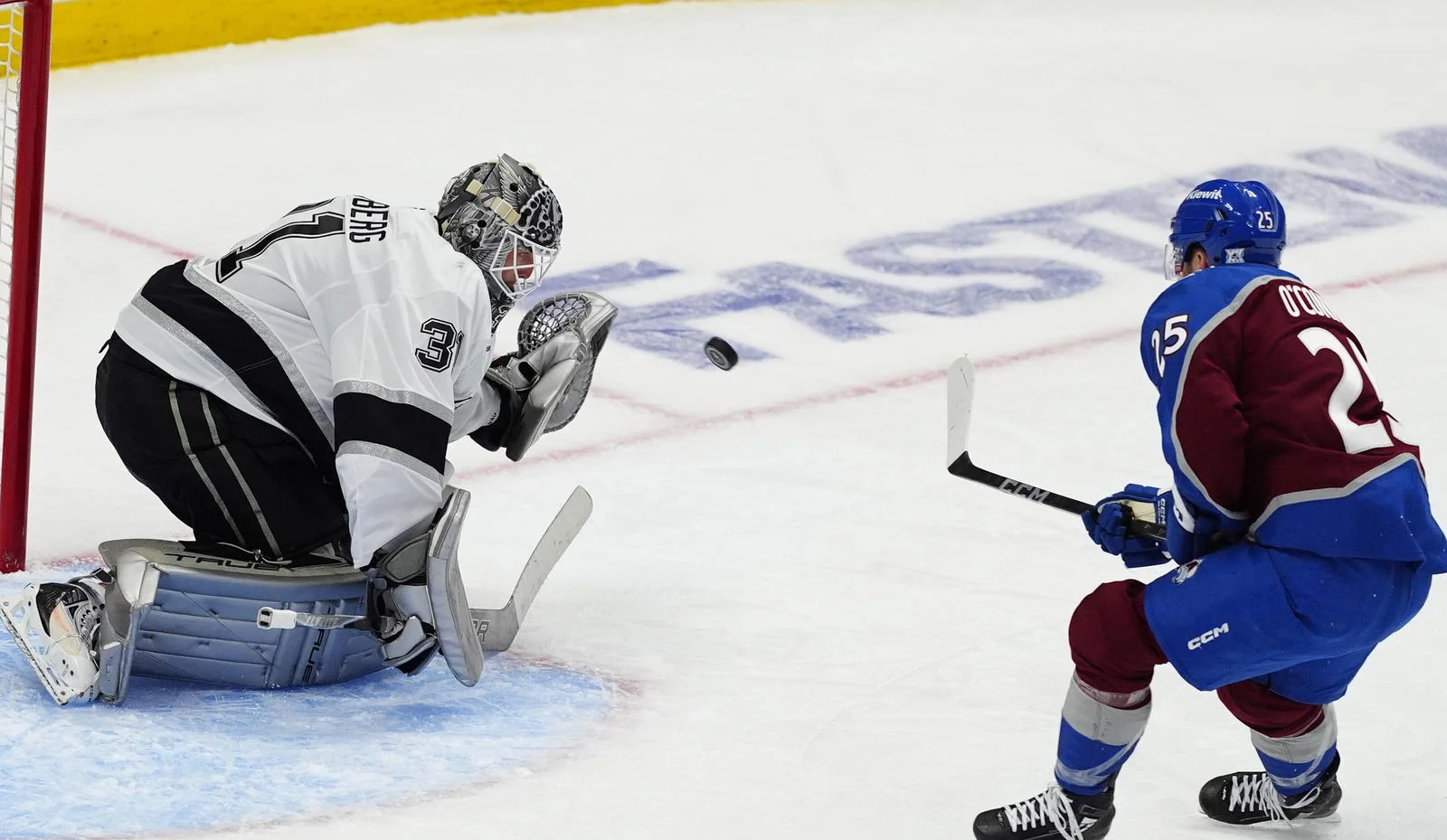 The Kings Were So Close Yet So Far Against The Avalanche In Game 1
The Los Angeles Kings weren't extremely threatening in Game 1 against the Colorado Avalanche, but they played a respectable game. With that said, here's what went wrong in the Kings' playoff opener.
The Kings Were So Close Yet So Far Against The Avalanche In Game 1
The Los Angeles Kings weren't extremely threatening in Game 1 against the Colorado Avalanche, but they played a respectable game. With that said, here's what went wrong in the Kings' playoff opener.
This duality represents the "python" approach: squeezing the life out of a game until the opponent makes an error, or simply out-working them in the neutral zone. For a team like Los Angeles, the path to a series turnaround is narrow. They require a near-perfect performance from their goaltender and absolute discipline to avoid the type of late-game penalties that doomed them on Sunday. Anything less, and the series becomes a formality.

For action-packed issues, access to the entire magazine archive and a free issue, subscribe to The Hockey News at THN.com/free. Get the latest news and trending stories by subscribing to our newsletter here. And share your thoughts by commenting below the article on THN.com or creating your own post in our community forum.