The Currency of Post-Season Dominance: Rethinking Elite Playoff Production
Quantifying individual success in the NHL Stanley Cup Playoffs is a precarious exercise in balancing raw output against systemic impact. Over the last decade, the nature of "carrying" a team has shifted from the traditional high-scoring forward model toward an increasingly diverse display of utility, spanning from goaltending masterclasses to defensive tactical pivots. When analyzing the high-water marks of performance between 2016 and 2025, the data suggests that while offensive ceiling remains the primary driver for Conn Smythe consideration, the context of the run—whether a systematic dismantling of opponents or a desperate solo effort—dictates the historical weight of the accomplishment.
The Statistical Outliers: McDavid and the Burden of Efficiency
Connor McDavid’s 2024 campaign (42 points in 25 games) serves as a modern benchmark for individual dominance, even in a losing effort. By accumulating 34 assists, he moved into a statistical tier occupied only by Wayne Gretzky and Mario Lemieux. Crucially, his status as the sixth player in history to capture the Conn Smythe on a runner-up team highlights the current analytical trend of decoupling individual brilliance from the final championship result. This marks a significant departure from the reflexive bias toward winning-team MVPs that dominated mid-2000s discourse.
Similarly, the 2020 post-season saw Brayden Point define the "clutch" metric through sheer volume of high-leverage events. With 14 goals, including 10 at even-strength and a decisive tally in a five-overtime thriller, Point demonstrated that elite production is often a byproduct of faceoff efficiency and spatial awareness rather than pure transition speed. His 57.7 percent success rate in the circle that year underscores the tactical reliance Tampa Bay placed on his ability to control possession in the offensive zone.
The Defensive and Goaltending Paradox
If offensive output is the baseline, positional innovation is the differentiator. Cale Makar’s 2022 performance—29 points in 20 games—effectively bridged the gap between offensive defenseman and primary playmaker. Joining Bobby Orr, Serge Savard, and Nicklas Lidstrom in the conversation for dual-trophy winning (Norris and Conn Smythe in the same year) validates the league’s evolution toward mobile blue-liners who act as the primary engine of transition. Makar’s trajectory suggests that the traditional distinction between "defensive" and "offensive" roles is increasingly irrelevant in the modern, high-speed playoff environment.
Goaltending analysis, meanwhile, remains centered on the 2021 battle between Andrei Vasilevskiy and Carey Price. Vasilevskiy’s Conn Smythe run—defined by a 1.90 goals-against average and five shutouts across 23 games—stands as a masterclass in workload management. However, the true significance lies in the context of his matchup with Price. In an era where score effects usually inflate defensive metrics, their final showdown finishing at 1-0 serves as a stark reminder that in high-stakes environments, total defensive suppression can be just as impactful as the high-event, high-scoring profile of a forward.

The Evolution of Line Composition
Individual stats often obscure the collaborative efforts that win championships. The 2016 Pittsburgh Penguins’ “HBK line” (Hagelin, Bonino, Kessel) serves as a counter-narrative to the idea that only top-six forwards determine playoff outcomes. By generating 56 combined points, this trio proved that depth-scoring units—specifically those built around speed and tenacious forechecking—can dictate the tempo against more star-heavy rosters. This era of Pittsburgh hockey showed that sustainable success relies on creating multiple points of pressure that opponents cannot neutralize through shadow coverage.
Conversely, Alex Ovechkin’s 2018 performance (15 goals, 27 points) provides the blueprint for the "singular focus" narrative. Often critiqued for his post-season inability to push past the second round, his 2018 run served as a total exorcism of institutional stigma. With six power-play goals, his performance was a masterclass in specialization—using a specific, unstoppable skill set to force opponents into costly tactical compromises.
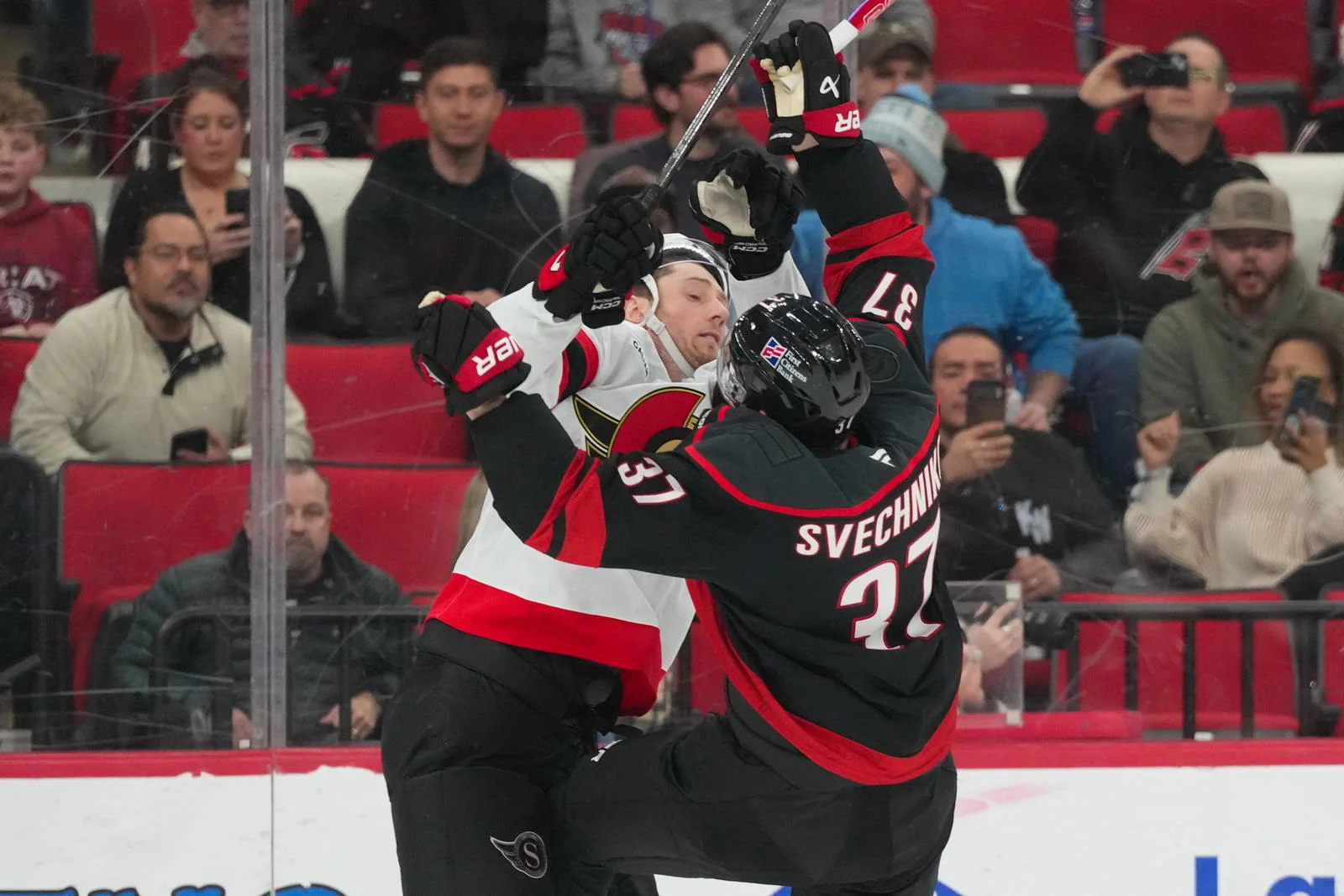 Three First-Round NHL Playoff Series With The Most At Stake
The ultimate goal for every NHL team in the Stanley Cup Playoffs is to win it all, but for some teams, more than others, winning it all matters more. With that, we’ll visit the three first-round playoff series with the most at stake.
Three First-Round NHL Playoff Series With The Most At Stake
The ultimate goal for every NHL team in the Stanley Cup Playoffs is to win it all, but for some teams, more than others, winning it all matters more. With that, we’ll visit the three first-round playoff series with the most at stake.
Contextualizing the Emerging Star
The rise of players like Jake Guentzel in 2017 and Matthew Tkachuk in 2023 demonstrates the volatility of playoff talent. Guentzel’s 13-goal breakout as a 22-year-old underscores the necessity of having a high-end finisher who can capitalize on the playmaking of elite veterans like Sidney Crosby. Meanwhile, Tkachuk’s three overtime winners in 2023 represent a shift toward high-stakes volatility—where a player’s ability to handle the mental pressure of sudden-death scenarios arguably outweighs their cumulative points-per-game average.

What remains constant across these diverse performances is the interplay between individual talent and structural opportunity. Whether through Vasilevskiy’s goaltending efficiency, Makar’s offensive disruption from the blue line, or the tactical brilliance of the HBK line, the most memorable playoff runs are those that force the rest of the league to reconsider its stylistic assumptions. As the game continues to accelerate, future elite performers will likely be judged less by traditional point totals and more by their ability to force high-leverage outcomes in environments designed to suppress them. Looking ahead, the focus for scouts and analysts will remain on identifying not just the highest producers, but the players who optimize the narrowest margins in a game that continues to standardize its top-tier defensive play.

For action-packed issues, access to the entire magazine archive and a free issue, subscribe to The Hockey News at THN.com/free. Get the latest news and trending stories by subscribing to our newsletter here. And share your thoughts by commenting below the article on THN.com or creating your own post in our community forum.