The Return of Managed Animosity: The Battle of Pennsylvania Resurrected
Professional sports rivalries often suffer from the inevitable erosion of time, but the rekindling of the Philadelphia Flyers-Pittsburgh Penguins conflict serves as a masterclass in tactical psychological warfare. As the two franchises prepare for a best-of-seven playoff series, the narrative is framed by more than just roster parity or statistical output; it is defined by the deliberate, coached cultivation of "controlled aggression."
This series brings the 38-year-old Sidney Crosby, still posting a robust 74-point campaign, back into the crosshairs of a Philadelphia team that has spent years attempting to move past its own rebuilding fatigue. For the casual observer, the history—dating back to the 2012 postseason—might recall Crosby’s infamous dismissiveness toward his rivals. However, the current iteration of this friction is less about personal disdain and more about a strategic necessity imposed from the bench.
Flyers head coach Rick Tocchet occupies a rare, bifurcated headspace. Having secured three Stanley Cups in Pittsburgh—one on the ice, two as a staffer—he is intimately acquainted with the mechanisms of the Penguins' culture. His mandate for this series is explicit: he wants his players to tap into the "hate" that defined the peak years of this rivalry, while simultaneously preventing that emotional volatility from spiraling into the undisciplined play that characterized their past failures.
Tocchet’s admission that he "hates" the Penguins, balanced by his overt admiration for the franchise, is a tactical maneuver designed to bridge the gap between competitive intensity and professional detachment. By acknowledging the rivalry's historical gravity, he is attempting to catalyze his younger roster without falling into the trap of emotional fatigue.
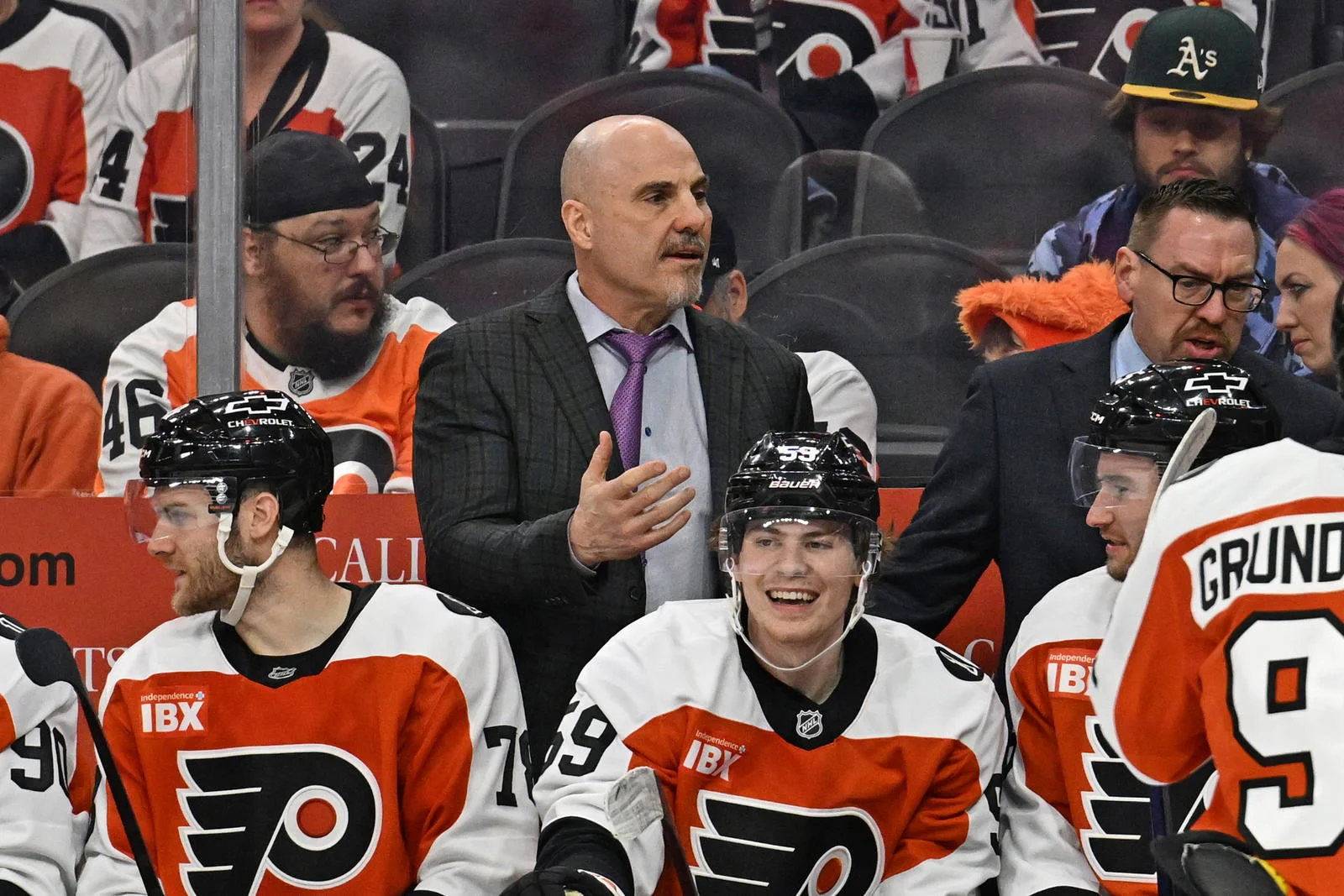
From an analytical standpoint, the series hinges on a single, recurring bottleneck: Crosby himself. With a staggering 139 points in 93 career games against the Flyers, he is the primary variable the Philadelphia coaching staff must neutralize. Tocchet intends to task defensemen Travis Sanheim and Rasmus Ristolainen with a "hard" game plan, effectively forcing the Penguins' captain into the "ditches." This is a standard defensive posture, but it carries a specific risk: if the physical enforcement against Crosby crosses the threshold into retaliation or avoidable penalties, the Flyers will almost certainly succumb to the Penguins' superior special teams unit.
The statistical parity between the two clubs—both finishing with 98 points—suggests that this series will be decided by minute shifts in momentum. The "Battle of Pennsylvania" tag has been resurrected for a reason, but the nuance lies in how long either team can maintain this artificial intensity before the weight of a seven-game series forces a return to structural fundamentals.
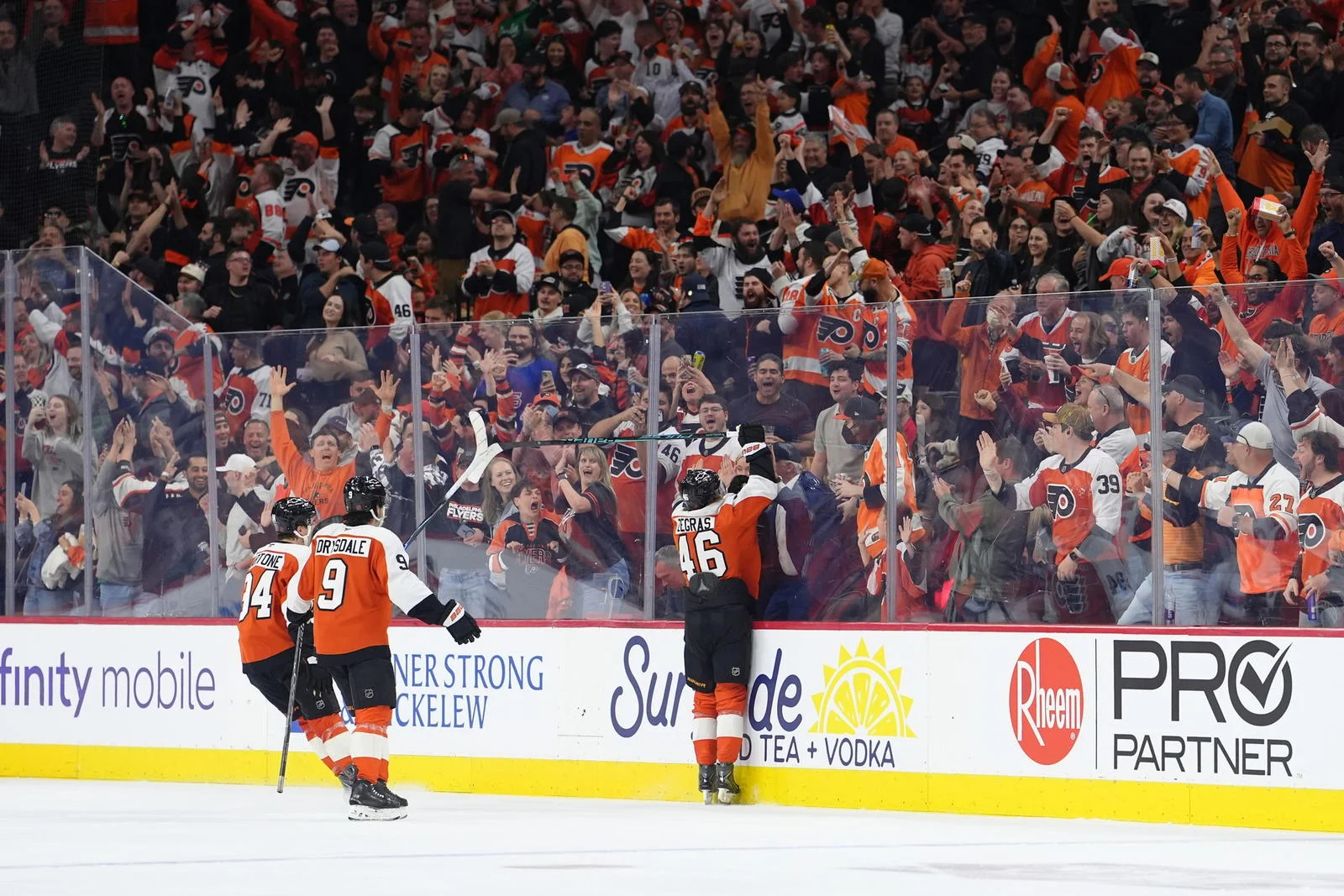 Daniel Briere's Stupendous Summer Is Why Flyers Ended Playoff Drought
The Philadelphia Flyers are playoff-bound. GM Daniel Briere made three acquisitions in two weeks last summer that defined their season.
Daniel Briere's Stupendous Summer Is Why Flyers Ended Playoff Drought
The Philadelphia Flyers are playoff-bound. GM Daniel Briere made three acquisitions in two weeks last summer that defined their season.
It is worth examining why this particular iteration matters. The NHL landscape has trended toward sterilized, high-speed tactical engagement, often at the expense of the visceral, human friction that creates long-term fan investment. Tocchet is essentially attempting to manufacture a high-stakes environment in a climate where such things are increasingly rare. The effectiveness of his rhetoric will be tested immediately upon the puck drop in Pittsburgh this Saturday.
For the professional observer, the question is not whether the animosity is "real" in the 2012 sense, but whether it can be harnessed as a utility. Tocchet has publicly severed his personal ties with Crosby for the duration of the series, a performative act of loyalty designed to solidify his status as an "Orange and Black guy." This is not merely about managing players; it is about managing the narrative of the series to ensure the Flyers don't treat this as just another 82-game fixture.
Philadelphia Flyers head coach Rick Tocchet's approach to the playoffs.Ultimately, the advantage remains with Pittsburgh’s special teams, but the Flyers have introduced an element of calculated volatility. If Philadelphia can maintain the "controlled aggression" Tocchet demands, they might force the Penguins into a game of attrition that favors the challenger. If they fail, the reliance on outdated "hate-based" tactics will look less like a winning strategy and more like a nostalgic distraction from their technical shortcomings.
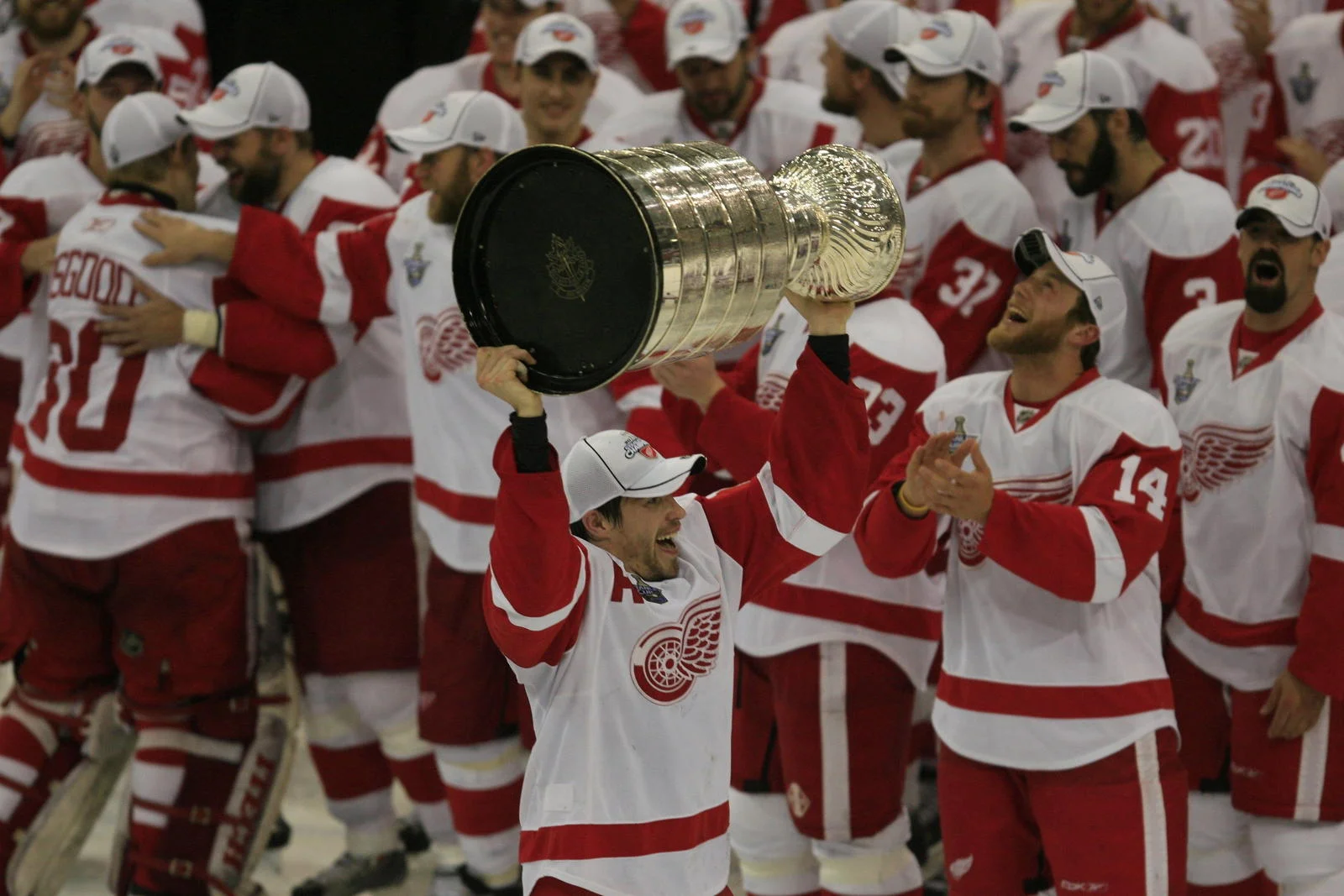 Ranking The NHL's Best Stanley Cup Winners In The Salary Cap Era
Sixteen writers at The Hockey News voted on the greatest salary cap-era champions, with the 2007-08 Detroit Red Wings coming out on top.
Ranking The NHL's Best Stanley Cup Winners In The Salary Cap Era
Sixteen writers at The Hockey News voted on the greatest salary cap-era champions, with the 2007-08 Detroit Red Wings coming out on top.
The true test for both teams will emerge in the second and third games, when the adrenaline of the opener fades and the reality of the scoreline takes hold. Coaches can command aggression, but playoff series are ultimately settled by who can execute under the strain of exhaustion, rather than who can sustain the most performative levels of dislike.

For action-packed issues, access to the entire magazine archive and a free issue, subscribe to The Hockey News at THN.com/free. Get the latest news and trending stories by subscribing to our newsletter here. And share your thoughts by commenting below the article on THN.com or creating your own post in our community forum.