Evaluating historical dominance in the Salary Cap Era requires moving beyond the binary of championship victory. While hoisting the Stanley Cup serves as the ultimate validation, the mechanisms—roster construction, path to the title, and statistical stratification—reveal significant disparities in how these teams actually functioned. A recent analysis by The Hockey News panel, which utilized a point-based voting system to rank the last 20 champions, highlights that the most "complete" teams often combined regular-season statistical superiority with an ability to sustain high-level performance across grueling post-season paths.
The Benchmark of Excess: 2008 Detroit
The 2007-08 Red Wings remain the high-water mark for mid-2000s efficiency. Their 113-point performance serves as a reminder of what deep rosters looked like before total salary cap attrition set in. By capturing the Presidents' Trophy, the Norris (Nicklas Lidstrom), the Selke and Lady Byng (Pavel Datsyuk), the Jennings (Dominik Hasek and Chris Osgood), and the Conn Smythe (Henrik Zetterberg), the organization essentially monopolized individual league accolades. This was not merely a championship; it was a total systemic capture of elite-level output, effectively setting a ceiling for organizational dominance that has yet to be replicated with such breadth.
High-End Talent vs. Structural Grit
Ranking the 2021-22 Colorado Avalanche second (108 points) underscores the modern preference for high-octane transitional speed. The team's ability to navigate physical adversity—Nazem Kadri’s injury and Darcy Kuemper’s health issues—was mitigated by the historic emergence of Cale Makar. His 29-point playoff run remains a case study in how a generational defenseman can shift the tactical gravity of an entire post-season. This stands in sharp contrast to the 2006-07 Anaheim Ducks, ranked fifth. The Ducks utilized a "fear-factor" defensive structure anchored by Chris Pronger and Scott Niedermayer, paired with a league-leading penalty minute count that forced officials to adjust equipment standards, particularly for goaltenders like Jean-Sebastien Giguere.
Volatility and the Lockout Anomaly
The Chicago Blackhawks’ dynasty remains the most intriguing narrative of this period, occupying the third and fourth spots with their 2013 and 2010 squads respectively. The 2013 team, operating within a 48-game, lockout-shortened calendar, demonstrated the dangers of momentum; by starting with a 24-game point streak, they neutralized the variance inherent in a compressed schedule. Conversely, the 2010 iteration represented the last hurrah of a pre-salary cap core, featuring a depth chart—Dustin Byfuglien, Andrew Ladd, Troy Brouwer—that would become unsustainable under the league’s financial restrictions almost immediately thereafter.
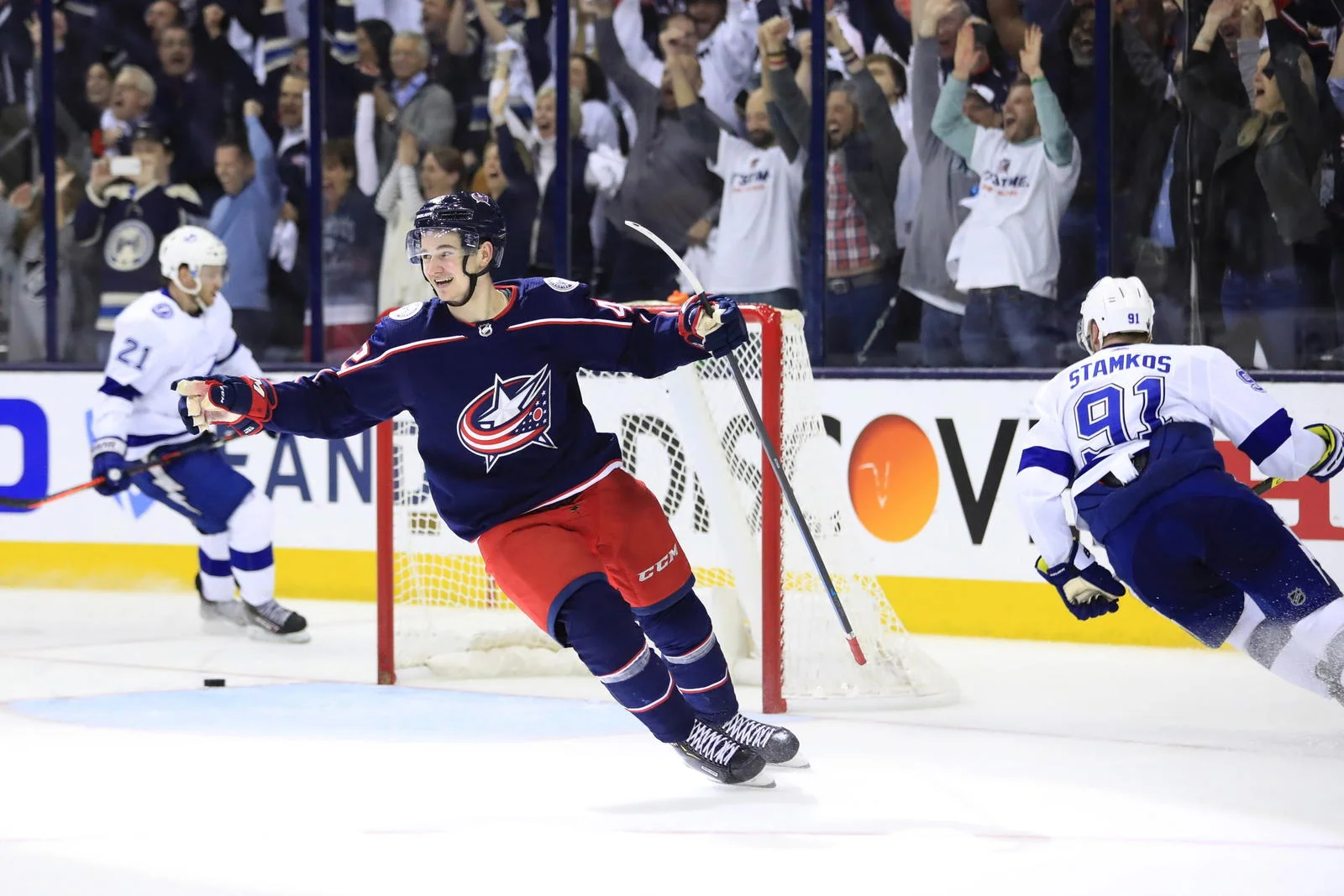 NHL Playoffs: Top Five First-Round Upsets Of The Last 20 Years
Contextualizing the Recent Eras
The lower half of the rankings highlights the impact of environmental factors on championship legitimacy. The Tampa Bay Lightning’s back-to-back titles (2019-20 and 2020-21) were achieved under extraordinary conditions—divisional play and bubble isolation—yet the consistency of their core (Nikita Kucherov, Victor Hedman, Brayden Point) suggests their success was tactical, not situational. Similarly, the 2011-12 Los Angeles Kings serve as the definitive "Cinderella" outlier. Qualifying as the eighth seed, they leveraged an unsustainable individual performance from Jonathan Quick (1.41 GAA) to flip the script on parity. When compared to the 2024-25 Florida Panthers, who reached three consecutive finals, it becomes clear that modern success is increasingly defined by the ability to keep a high-salary, veteran core intact through aggressive trade deadline maneuvers.
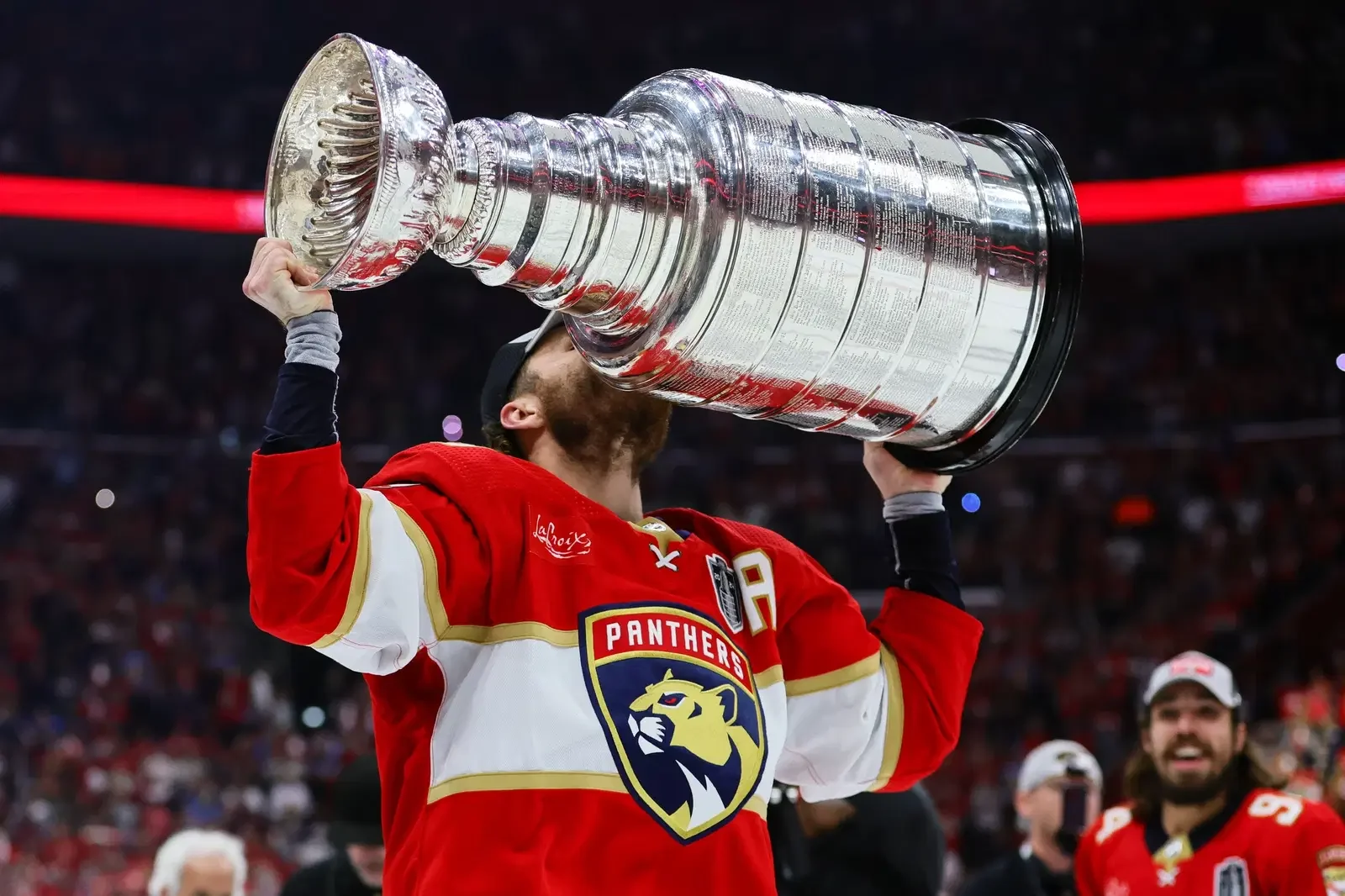 Every Stanley Cup Final Game 7 in NHL History
Analytical Takeaway
What separates the perennial winners from the lucky beneficiaries is the mitigation of risk. The teams that climbed to the top of these rankings did not rely on a single superstar or a favorable bracket draw; they relied on redundant systems of talent. As the league continues to evolve, the lesson from these 20 winners is that the championship window is becoming smaller. Future contenders will likely mirror the 2024-25 Panthers’ model: aggressive acquisition to supplement a core that has already been tested by multiple deep runs. The championship is no longer just about who is best during the playoffs; it is about who has the best-managed salary cap to sustain that excellence when the depth chart is most vulnerable.

Access the full archive at THN.com/free or track ongoing league analysis by subscribing to our newsletter.