The 2026 NHL Stanley Cup postseason schedule has officially been finalized, signaling the start of the league's high-stakes two-month sprint. The bracket confirmation highlights not just the competitive matchups but also the intricate distribution of broadcasting rights that now define the modern viewing experience for North American hockey fans.
Action commences on Saturday, April 18, with a heavy slate of three opening series. The Carolina Hurricanes host the Ottawa Senators, while the Dallas Stars face off against the Minnesota Wild. Simultaneously, the Pittsburgh Penguins and Philadelphia Flyers will begin their series, a fixture that frequently commands significant viewership metrics regardless of standings.
The staggered start continues Sunday, April 19, with the remaining series kickoffs, including the Boston Bruins traveling to Buffalo, Montreal visiting Tampa Bay, Los Angeles meeting the Colorado Avalanche, and Utah playing the Vegas Golden Knights. The final series debut occurs Monday, April 20, as the Edmonton Oilers and Anaheim Ducks begin their best-of-seven road to the second round.
Broadcast Fragmentation and the Viewer Experience
Perhaps more interesting than the pairings themselves is the increasing complexity of the broadcast map. The 2026 schedule underscores a multi-platform strategy that forces the average viewer to juggle various networks and streaming services. In the United States, coverage is split across the ESPN family (ESPN, ESPN2) and the TNT/TBS/truTV portfolio, with HBO Max playing a central role in digital distribution. Canadian viewers face a similar patchwork, with Sportsnet (SN, SNE, SNO, SNP, SNW, SN360), CBC, OMNI, and TVAS sharing the load.
This fragmentation is now a standard operational reality for major professional leagues. However, the reliance on high-frequency switching between legacy cable channels and newer, direct-to-consumer platforms like HBO Max suggests that the NHL is testing audience tolerance for segmented media access. The schedule, while technically straightforward, creates a high barrier for casual fans who may struggle to identify which platform hosts specific games at a glance.
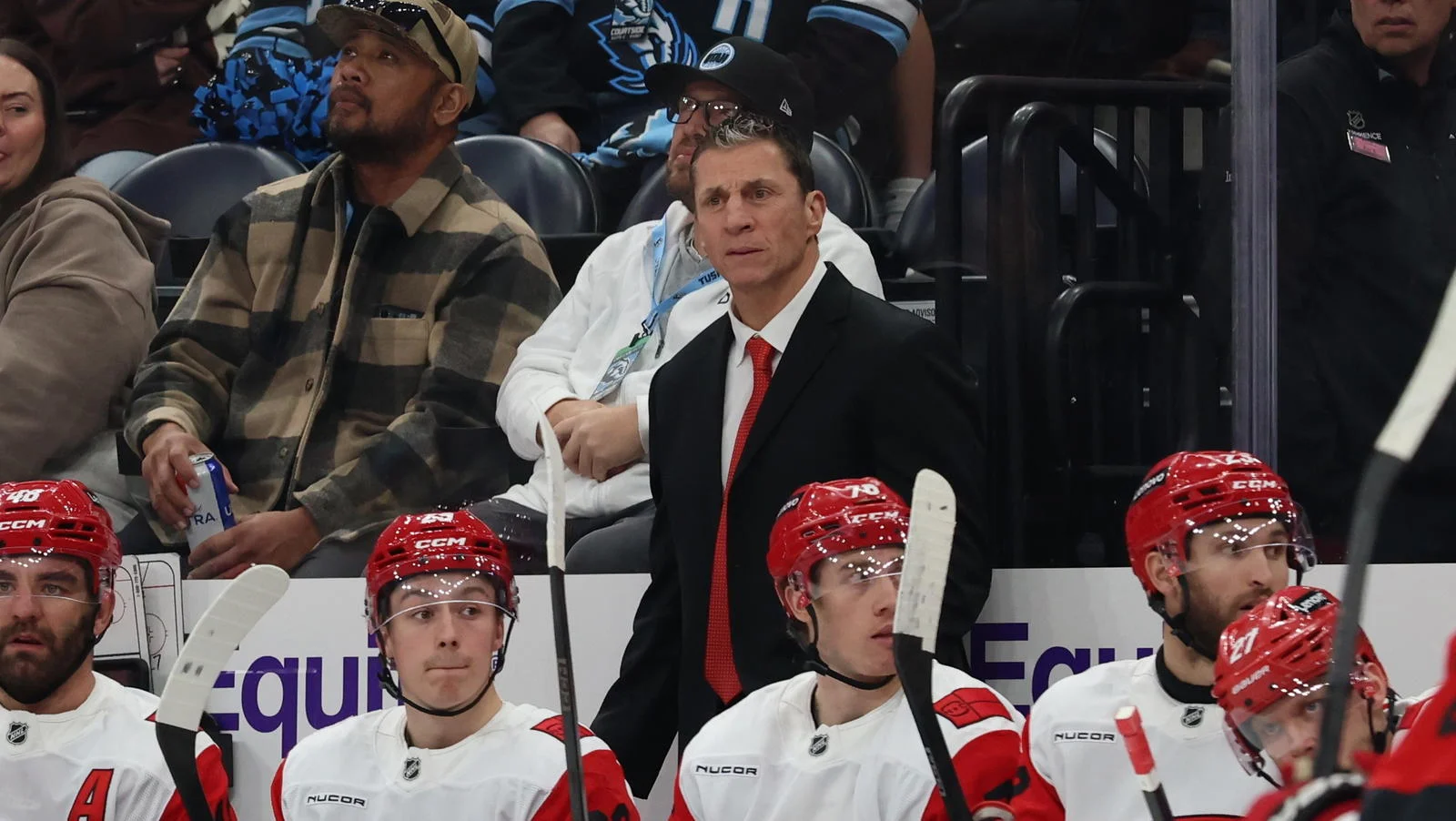 NHL Hot Seat Radar: Coaches With The Most To Prove In The Playoffs
Whether they're truly on the hot seat or not, coaches on the Hurricanes, Oilers and more NHL squads must prove they can bring their team to the next level in the Stanley Cup playoffs at last.
NHL Hot Seat Radar: Coaches With The Most To Prove In The Playoffs
Whether they're truly on the hot seat or not, coaches on the Hurricanes, Oilers and more NHL squads must prove they can bring their team to the next level in the Stanley Cup playoffs at last.
Operational Dependencies
The league has wisely left "If Necessary" games 5 through 7 with TBD designations for broadcast info. This is a common, if frustrating, industry tactic. Networks require flexibility to prioritize higher-interest matchups as series outcomes become clearer. For fans and analysts, this means the first round is effectively a dynamic ecosystem; the schedule is a living document that shifts based on the competitive intensity of the preceding games.
Professional observers should note that the sheer volume of games—with 16 teams playing deep into a best-of-seven format—creates a massive scheduling logistical feat. Managing ice availability, travel constraints, and broadcast windows across multiple time zones remains the most underrated aspect of NHL operations. Any slight delay in one series can create a cascade of logistical hurdles, though the league’s experience in coordinating this calendar minimizes the risk of significant disruption.

Strategic Outlook
Beyond the technical logistics, the 2026 opening round carries significant pressure for several organizations. The inclusion of teams like the Oilers and Hurricanes brings attention to the "hot seat" narrative—coaching and management staffs at these clubs are under immense pressure to convert regular-season potential into postseason viability. If these clubs stumble early, expect the narrative surrounding their organizational health to dominate sports media cycles through May.
For industry professionals tracking the trajectory of the sport, pay close attention to the early viewership numbers across the TNT/TBS/HBO Max ecosystem compared to the ESPN broadcasts. The NHL is essentially running an ongoing experiment in how different demographics interact with varied broadcasting models. The data derived from these opening series will likely influence how rights are bundled in future collective bargaining or media negotiations.
The start dates are firm, but the outcome of the opening round remains the true variable. As teams prepare for the April 18 launch, the focus shifts from the spreadsheet of dates and times to the raw performance metrics that will ultimately dictate which franchises advance toward the Stanley Cup final.
For action-packed issues, access to the entire magazine archive and a free issue, subscribe to The Hockey News at THN.com/free. Get the latest news and trending stories by subscribing to our newsletter here. And share your thoughts by commenting below the article on THN.com or creating your own post in our community forum.