The Perennial Playoff Trap: Why Coaching Tenure is Currently Devalued
In the modern NHL, the regular season has effectively become an extended audition—a data set that front offices increasingly view as noise rather than signal. As we enter the Stanley Cup playoffs, the "hot seat" discourse has shifted. It is no longer about whether a coach can construct a winning system; it is about whether they can survive the inevitable volatility of a seven-game series. For a specific cohort of NHL head coaches, the margin for error has evaporated entirely, regardless of previous accolades or administrative buy-in.
The current landscape reveals a stark organizational philosophy: teams are prioritizing championship windows over coaching continuity. When leadership groups—such as those in Edmonton or Minnesota—commit significant capital to star assets like Connor McDavid or acquire high-end talent like Quinn Hughes, they are implicitly setting an expiration date on their coaching staffs. This is not merely an assessment of tactical acumen; it is a cold, capital-allocation decision.
Rod Brind’Amour’s tenure with the Hurricanes serves as the primary case study for this phenomenon. Despite a consistent record of playoff appearances and three conference final runs, the organization is clearly stalling at the penultimate hurdle. The pivot to relying on goalies Brandon Bussi and Frederik Andersen puts the team’s ceiling in the hands of high-variance variables. While Brind’Amour’s pedigree is arguably league-leading, front offices are realizing that reputation cannot offset a stagnant post-season trajectory. Should Carolina falter early against teams like the Ottawa Senators, Pittsburgh Penguins, or Philadelphia Flyers, the narrative surrounding the team's identity—and its architect—will shift from "patience" to "obsolescence."
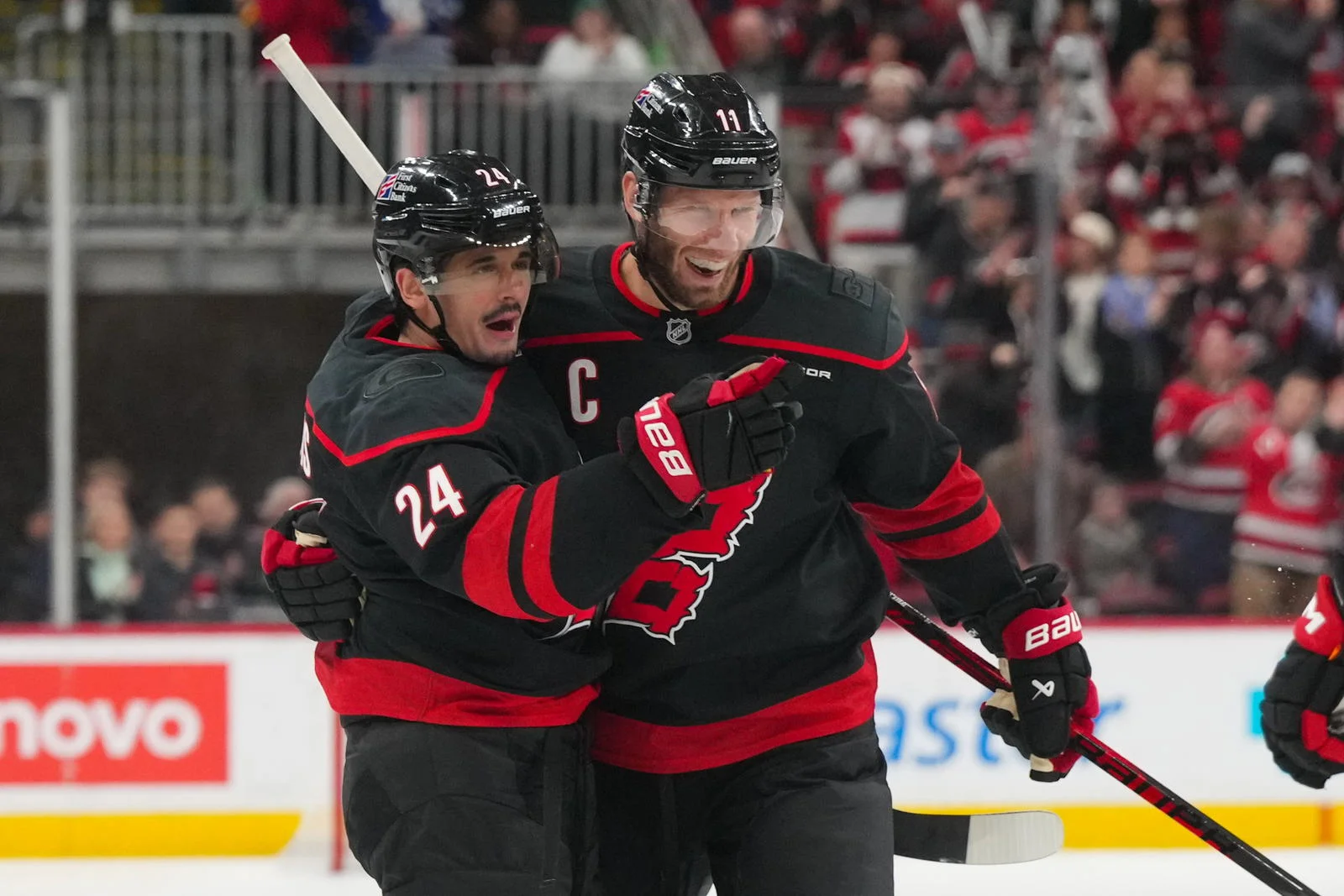 Why This Year Could Be Different For Carolina
Fully healthy and boasting record offensive depth, Carolina eyes a breakthrough season. Will this be enough to finally conquer the Eastern Conference Final?
Why This Year Could Be Different For Carolina
Fully healthy and boasting record offensive depth, Carolina eyes a breakthrough season. Will this be enough to finally conquer the Eastern Conference Final?
Contrast this with Kris Knoblauch in Edmonton. Having secured six series wins in just two seasons, Knoblauch’s resume is objectively strong by any industry metric. Yet, the "Cup-or-bust" mandate in Edmonton remains the ultimate destabilizer. The organization’s aggressive off-season posture suggests that any first-round exit—whether to the Anaheim Ducks, Los Angeles Kings, or the Colorado Avalanche—would trigger a wholesale re-evaluation. For the Oilers, the pressure isn't on the roster construction; it is on the utilization of their core during the prime window of their captain’s contract.
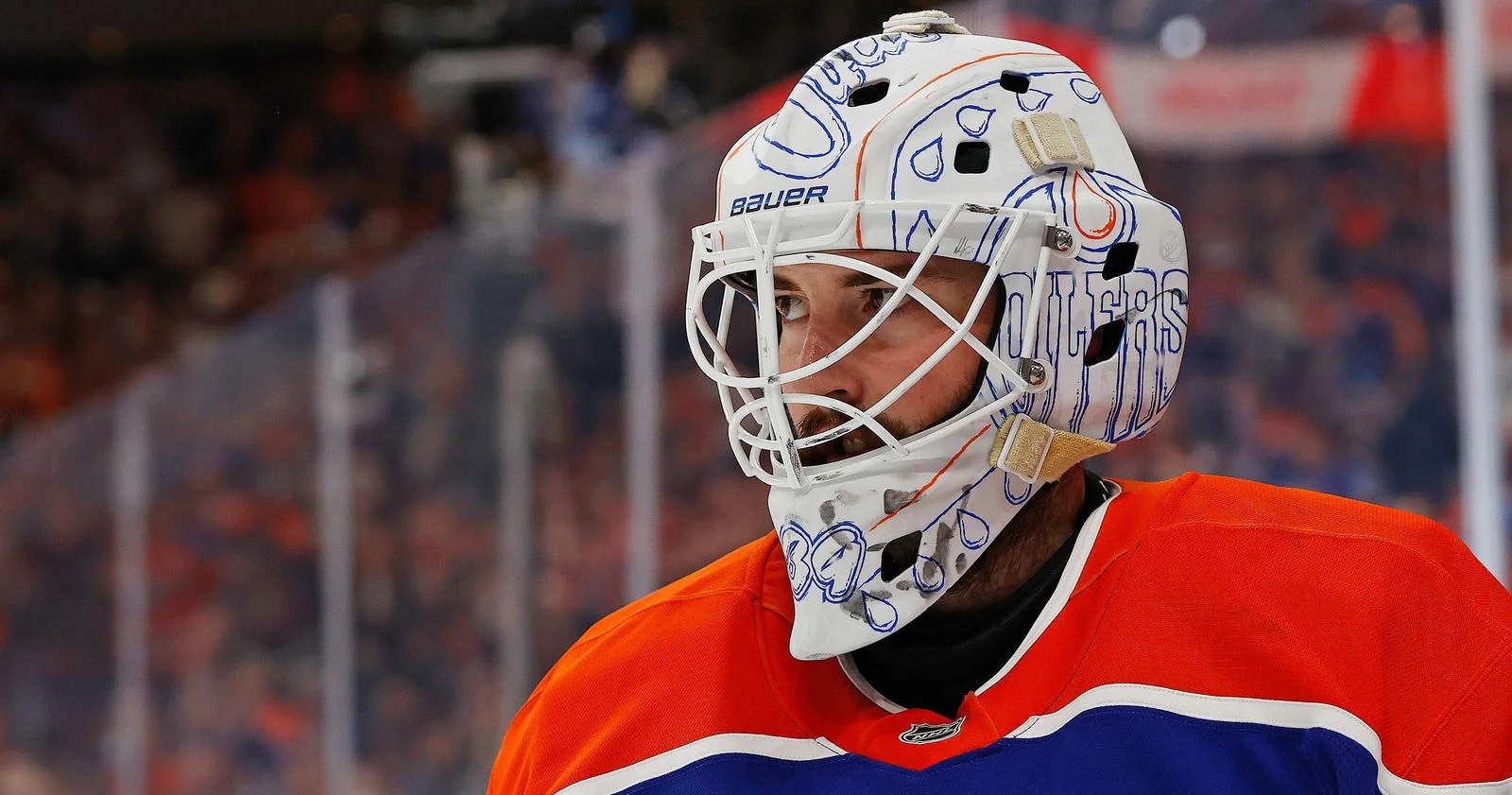 Connor Ingram Is The Oilers' Playoff X-Factor
Connor Ingram earned his role as the Edmonton Oilers' starting goalie. Like Stuart Skinner in the last two years, how Ingram plays could be the biggest variable in the team's playoff performance.
Connor Ingram Is The Oilers' Playoff X-Factor
Connor Ingram earned his role as the Edmonton Oilers' starting goalie. Like Stuart Skinner in the last two years, how Ingram plays could be the biggest variable in the team's playoff performance.
The situation in Dallas presents a different layer of complexity. Glen Gulutzan, in his first year of his second stint with the Stars, oversaw a formidable regular season, finishing with 50 wins. However, the Western Conference bracket is notoriously unforgiving. Facing a matchup against the Minnesota Wild, followed by the looming threat of the Avalanche, the Stars face a gauntlet where losing early is not just a possibility—it is a statistical likelihood for any team. General Manager Jim Nill is unlikely to repeat the firing of a coach after only one season, given he parted ways with Peter DeBoer just last year. Still, the lack of a deep run will undoubtedly sour the internal outlook on the current coaching staff’s efficacy.
 Glen Gulutzan Provides Major Injury Updates On Roope Hintz, Miro Heiskanen
Key players Roope Hintz and Miro Heiskanen's playoff readiness hangs in the balance as Glen Gulutzan reveals crucial injury timelines.
Glen Gulutzan Provides Major Injury Updates On Roope Hintz, Miro Heiskanen
Key players Roope Hintz and Miro Heiskanen's playoff readiness hangs in the balance as Glen Gulutzan reveals crucial injury timelines.
Finally, there is the John Hynes project in Minnesota. After bowing out to the Vegas Golden Knights in 2025, the organization’s tolerance for "promising" exits has vanished. By trading young assets to land Quinn Hughes and committing to long-term financial structures, GM Bill Guerin has signaled that the current window is narrow. The irony here is the structure of the league itself: by finishing third in a competitive division, the Wild are punished with a matchup against the second-best team, the Stars. Hynes is effectively being measured against the success of his peers in the same division rather than his own output.
 'We’ll See': Hynes, Wild Facing Tough Decisions Ahead Of Game 1 In Dallas
Wild coach Hynes faces pivotal lineup calls as playoff roster battles heat up, balancing playoff grit, offensive flair, and rookie potential for Game 1 in Dallas.
'We’ll See': Hynes, Wild Facing Tough Decisions Ahead Of Game 1 In Dallas
Wild coach Hynes faces pivotal lineup calls as playoff roster battles heat up, balancing playoff grit, offensive flair, and rookie potential for Game 1 in Dallas.
The takeaway for industry observers is clear: we are entering a phase where the "head coach" title is increasingly transient. When the difference between a legacy-defining career and unemployment comes down to a few lucky bounces or a goalie’s save percentage in a single series, the long-term strategic value of a coach is being sacrificed for short-term optics. As these series get underway, pay less attention to the post-game quotes and more to the roster management in the days following elimination. The real story isn't who wins the series; it’s which organizations are already preparing their exit ramp for the coaching staff.

For action-packed issues, access to the entire magazine archive and a free issue, subscribe to The Hockey News at THN.com/free. Get the latest news and trending stories by subscribing to our newsletter here. And share your thoughts by commenting below the article on THN.com or creating your own post in our community forum.