The 2026 Draft Dilemma: Statistical Dominance vs. Tactical Reliability
For months, the narrative surrounding the 2026 NHL Draft has orbited a single axis: the sheer offensive output of Gavin McKenna. As the consensus top-rated prospect, McKenna has occupied the spotlight with the kind of gravity usually reserved for generational talents. Yet, as we approach the June 26 ceremony in Buffalo, a persistent statistical and performance-based anomaly has emerged from Sweden, forcing a fundamental question for scouting departments: do you draft for raw ceiling or for the immediate, high-leverage utility of a proven pro?
Ivar Stenberg is no longer a peripheral name in this discussion; he is the primary rival to McKenna’s throne. While the latter has spent the year dominating expectations in North America, Stenberg has been quietly dismantling the historical benchmarks of the Swedish Hockey League (SHL). Stenberg’s tenure with Frolunda this season produced 33 points in 43 games, a stat line that warrants closer inspection by those who look beyond surface-level scouting reports. To find a draft-eligible player with similar production in the SHL, you have to travel back to the era of the Sedin twins. In terms of per-game efficiency, Stenberg actually outperformed Henrik Sedin, falling only marginally behind Daniel.
These numbers are not merely a curiosity; they represent a significant divergence in professional development. While McKenna found his groove late in the NCAA campaign, Stenberg’s year was defined by a transition to a mature, professional environment, where the pressure to contribute defensively is as acute as the need to score. This professional-grade discipline was on full display at the World Junior Championship, a tournament that served as the ultimate litmus test for both prospects.
In that crucible, the divergence in their playing styles became stark. McKenna delivered 14 points in seven games, a gaudy stat line that secured second in tournament scoring and a bronze medal for Canada. However, his performance was marked by defensive lapses and moments of drift that would cause a veteran NHL coach to lose sleep. Stenberg, conversely, provided 10 points over the same span, leading his squad to gold. The disparity wasn't in the tally—it was in the application. Stenberg’s game evolved throughout the tournament, growing more clinical as the elimination rounds tightened, culminating in the insurance goal against Czechia that effectively iced the tournament.
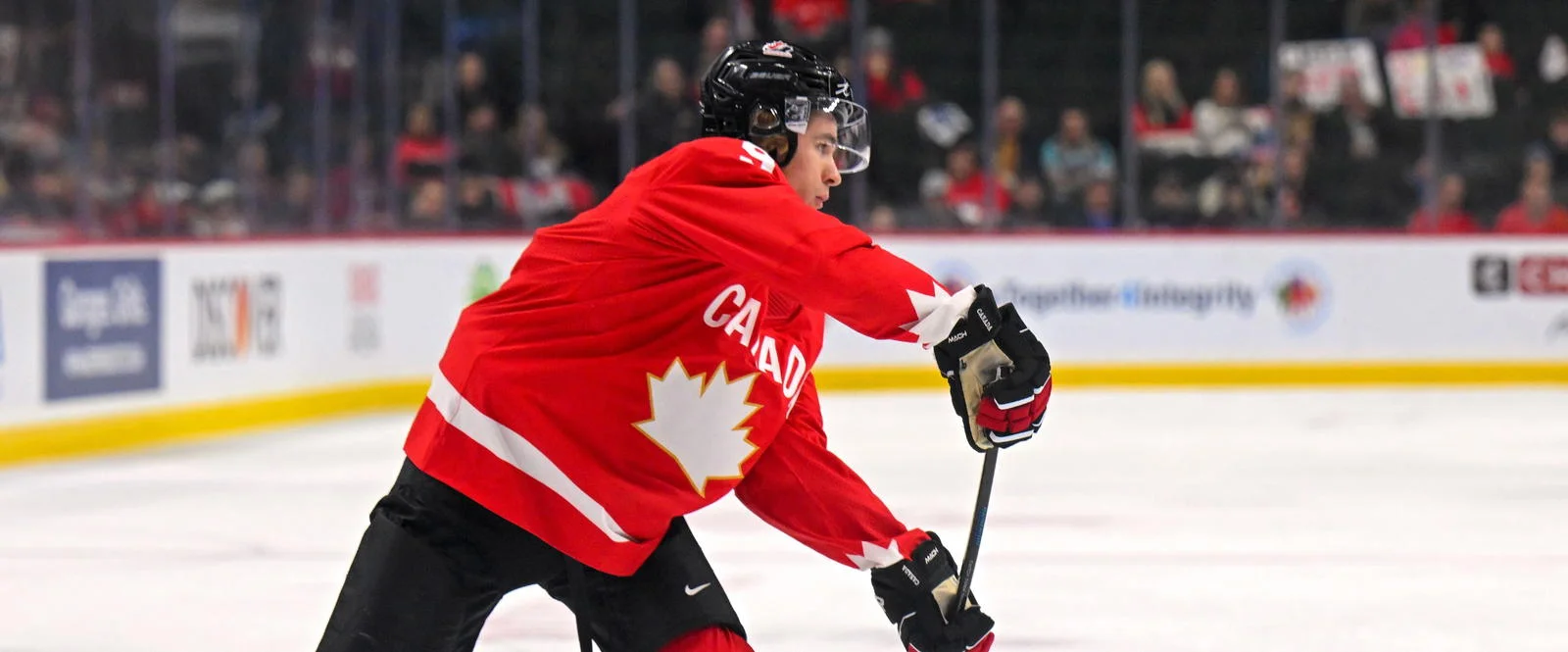 Reaction: McKenna, Stenberg Lead NHL Central Scouting's Final Draft Rankings
Who does the NHL Central Scouting rank behind Gavin McKenna and Ivar Stenberg? Who will be the first defenseman off the board? Who seems underrated?
Reaction: McKenna, Stenberg Lead NHL Central Scouting's Final Draft Rankings
Who does the NHL Central Scouting rank behind Gavin McKenna and Ivar Stenberg? Who will be the first defenseman off the board? Who seems underrated?
The skepticism often directed at "well-rounded" prospects—the fear that they are "safe" picks rather than stars—doesn't apply here. Stenberg’s offensive ceiling is bolstered by a cerebral approach that NHL front offices value almost above all else. He possesses the rare capacity to act as a Swiss Army knife, moving from the forecheck to high-stakes defensive assignments without a drop in effectiveness. As fellow prospect Viggo Bjorck observed, "His skill is up there with the best players in the world, but he works hard as well." That description of Stenberg, quoted by his teammates, encapsulates exactly why his draft stock has surged to challenge a player who has spent most of the cycle as the presumptive first overall choice.
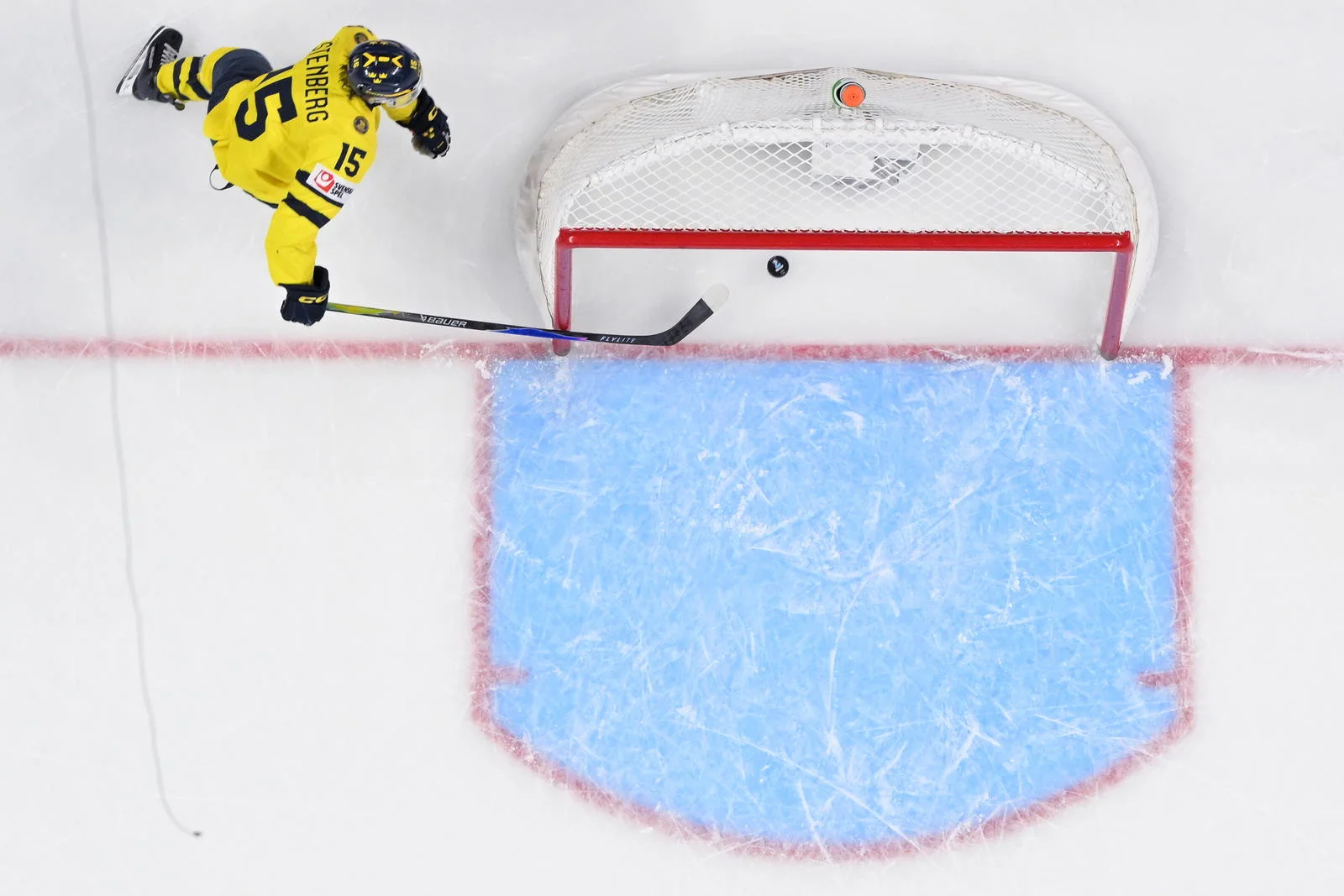
The reality is that scouts are now weighing two distinct philosophies. McKenna represents a high-octane, highlight-reel potential that can fundamentally shift a team’s offensive geometry. Stenberg represents the modern prototype: the cerebral, multi-faceted engine capable of pulling a roster toward a championship. Finishing first on NHL Central Scouting's European skaters list is not just a accolade; it is a signal that the gap in perception between North American hype and European substance has closed.
When teams move to the podium in late June, the decision will come down to risk management. Selecting McKenna is a bet on transformation; selecting Stenberg is a bet on stability and high-level, two-way production that rarely sees a developmental plateau. While McKenna has captured the headlines, Stenberg has captured the metrics that coaches cite when they speak about the architecture of a winner. Whether or not Stenberg hears his name called first, he has already secured his status as the primary stabilizer for any organization’s next decade. The debate at the top of the board is far from settled, and for the front offices tasked with the selection, the choice between raw brilliance and total efficacy will define their trajectory for years to come.

For action-packed issues, access to the entire magazine archive and a free issue, subscribe to The Hockey News at THN.com/free. Get the latest news and trending stories by subscribing to our newsletter here. And share your thoughts by commenting below the article on THN.com or creating your own post in our community forum.