The latest NHL Central Scouting final rankings ahead of the 2026 draft are, as always, an imperfect mirror of league-wide sentiment. While these lists serve as a baseline for the upcoming event on June 26 and 27 in Buffalo, the divergence between institutional scouting and the actual draft board remains where the real value lies for astute observers.
The primary narrative—the tug-of-war for the first overall pick between Gavin McKenna and Ivar Stenberg—is now formalized through their top-ranked status on their respective North American and international lists. NHL internal documentation suggests a slight leaning toward McKenna, though this is tempered by a comparative lack of volume in European scouting consensus. Whether a team prioritizes the North American pedigree of McKenna or the proven maturity of Frolunda's Stenberg will define the top of the draft board.
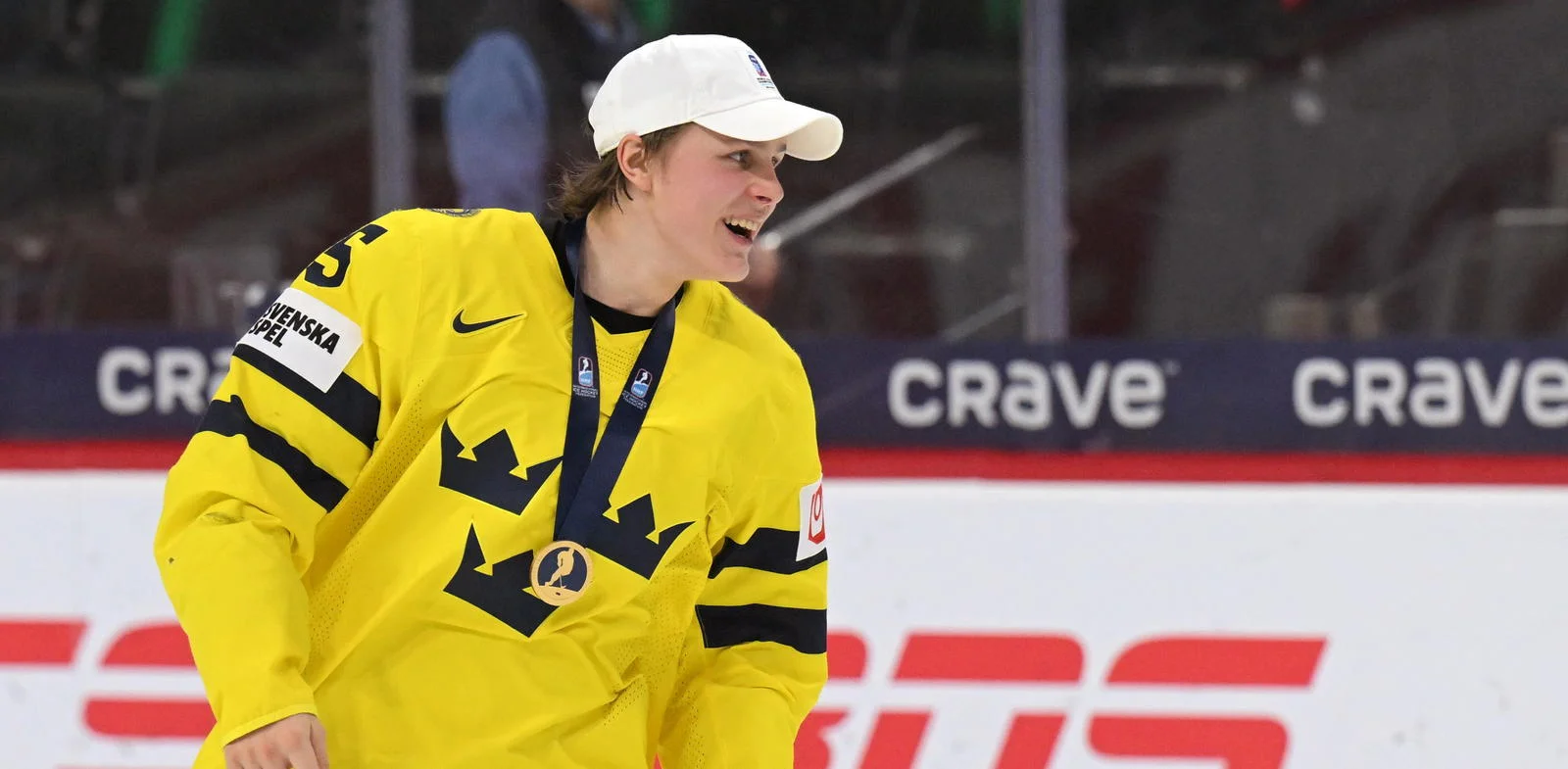 NHL Draft: Ivar Stenberg Proved Why He's Worth Going First Overall
Ivar Stenberg and Gavin McKenna have been in the conversation for first overall in the 2026 NHL draft for most of the season. No matter who goes first, fans need to know how impressive Stenberg has been this year.
NHL Draft: Ivar Stenberg Proved Why He's Worth Going First Overall
Ivar Stenberg and Gavin McKenna have been in the conversation for first overall in the 2026 NHL draft for most of the season. No matter who goes first, fans need to know how impressive Stenberg has been this year.
Beyond the top two, the 2026 class is shaping up to be defined by its defensive depth. The North American rankings are heavily weighted toward the blueline, with Chase Reid, Carson Carels, Keaton Verheoff, and Daxon Rudolph forming a significant cluster of high-end defenders. Rudolph’s inclusion in this tier is the most volatile variable; once considered a fringe first-rounder by public analysts, his presence in the upper echelons of Central Scouting’s list reflects a sharper internal evaluation than the broader consensus.
Perhaps more interesting is the international perspective on the defensive class, specifically the rise of Latvian blueliner Alberts Smits. European scouts have reportedly positioned Smits as a legitimate candidate for the first defender off the board. When synthesizing these lists, it is entirely plausible that 50 percent of the top ten picks could be utilized on defense, signaling a draft where teams are looking to secure high-ceiling blue-liners early rather than chasing offensive wingers or questionable center depth.
The Center Shortage
If defense represents the strength of this class, center remains its most glaring systemic weakness. Caleb Malhotra and Tynan Lawrence headline the North American options, yet their rankings—sixth and lower—suggest a lack of elite, blue-chip pivot prospects. Lawrence, in particular, has seen his trajectory stunted by lackluster production during his mid-season NCAA transition.
The international outlook provides a similarly thin profile. Oliver Suvanto is the top-ranked European center, though he remains a projection based on the blend of defensive responsibility and flashes of offensive instinct. The true wild card here is Sweden’s Viggo Bjorck. At 5-foot-10, Bjorck faces the traditional scouting bias against smaller players, yet his toolset—high-end work ethic, elite offensive awareness, and two-way proficiency—arguably makes him the most skilled center in the entire class. Teams that weigh "tools and results" over "physical height" will likely have Bjorck significantly higher on their internal boards than Central Scouting’s current placement.
Value and Mispricing
The discrepancy between junior impact and draft ranking is where professional teams find leverage. Consider Mathis Preston, currently ranked 32nd. His profile as a high-speed, dual-threat winger is rarely found at the top of the second round. If a team can secure a player with his projected ceiling in that slot, it qualifies as an objective win.
Similarly, the USA Hockey National Team Development Program appears to be undergoing a recalibration in the eyes of scouts. While Wyatt Cullen maintains a solid first-round status, players like Casey Mutryn and Victor Plante are sliding in ways that suggest a mismatch between developmental performance and draft perception. Mutryn’s utility as a raw power forward could be transformative if given the right system, while Plante’s consistent rise throughout the season makes his 42nd ranking look like a significant oversight.
The most egregious example of potential mispricing may be Michigan’s Adam Valentini. Ranked 86th, Valentini has produced as a 17-year-old at the NCAA level with the intelligence and motor expected of a much older player. Scouting lists that continue to anchor him to the mid-rounds are likely ignoring the reality of his transition to college hockey. Scouts who value pro-readiness over theoretical upside may look at the bottom of the list and see a future middle-six contributor where others see a long-term project.
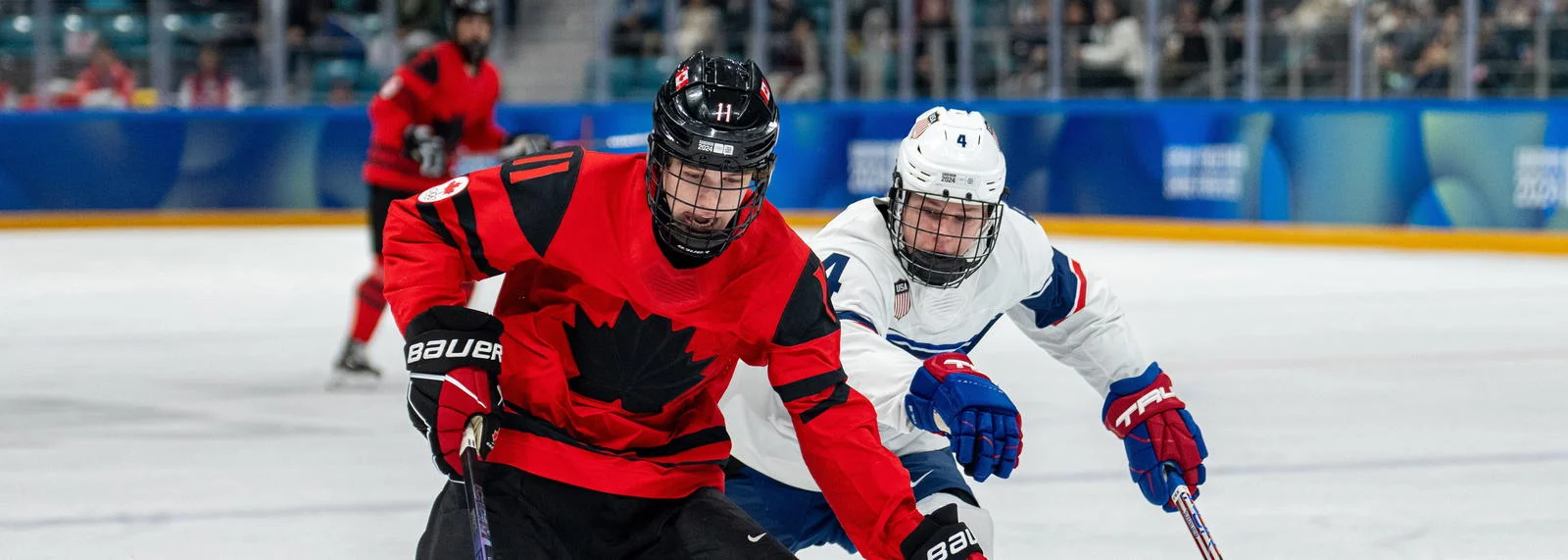 10 Canadian NHL Draft Prospects Can Revive Their Stock At World U-18s
The World Men's U-18 Championship is the last chance for NHL draft prospects to show their potential. These five Canadians will need to impress to raise their draft stock.
10 Canadian NHL Draft Prospects Can Revive Their Stock At World U-18s
The World Men's U-18 Championship is the last chance for NHL draft prospects to show their potential. These five Canadians will need to impress to raise their draft stock.
As the June deadline approaches, the World U-18s will serve as the final filter for these prospects. With the consensus on the top of the draft still fluid, the battle for first overall and the value plays in the middle rounds will hinge entirely on which front offices are willing to bet on their own internal assessments rather than the aggregated lists currently in circulation.

For action-packed issues, access to the entire magazine archive and a free issue, subscribe to The Hockey News at THN.com/free. Get the latest news and trending stories by subscribing to our newsletter here.