The statistical anomaly of the NHL postseason is not just a quirk of the format; it is the league's primary product. While the regular season builds a narrative of hierarchy—Presidents' Trophy winners and high-scoring juggernauts—the opening round of the Stanley Cup Playoffs frequently serves as a wrecking ball to those established power structures. The volatility of the best-of-seven series, when constrained by the tight checking and goaltending variance of the postseason, creates a graveyard for teams that looked invincible only weeks prior.
Analyzing the past two decades of these opening-round failures reveals that pedigree is rarely a safety net. Whether it is a lack of depth or a reliance on a specific style of high-event offense that struggles to translate when defenses tighten, the "unbeatable" favorite is a frequent casualty.
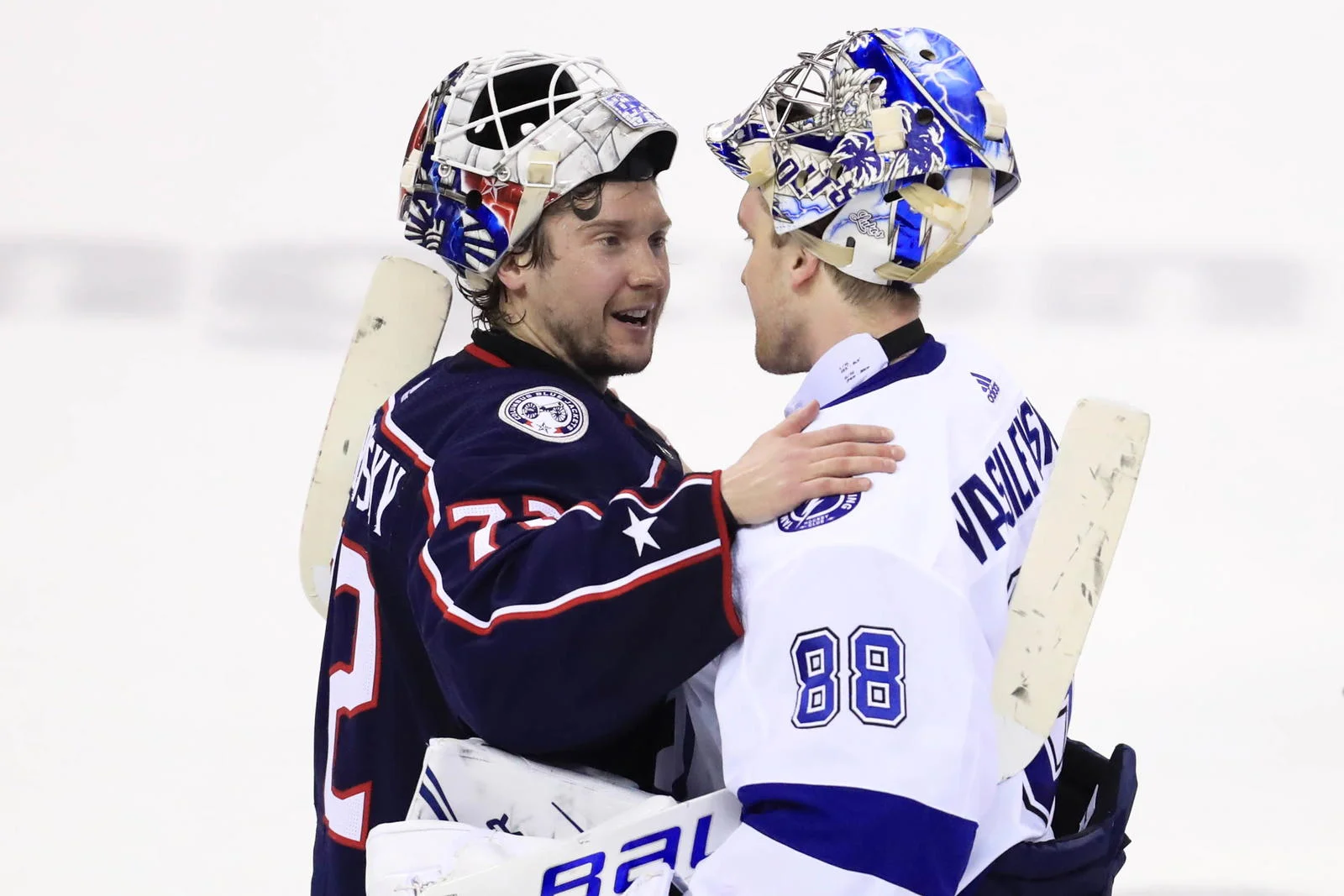
The 2019 Columbus Blue Jackets remain the gold standard for pure, unadulterated shock. Facing a Tampa Bay Lightning squad that had effectively matched the NHL record for single-season wins, Columbus did not merely win; they evaporated the favorite in four straight games. The Lightning, led by Nikita Kucherov’s 128-point Hart Trophy campaign, were completely neutralized. Columbus outscored the juggernaut 19-8, a series that proved no amount of regular-season point accumulation immunizes a team against a tactical meltdown. Unlike other upsets that served as precursors to a team’s future dynasty, this was a singular, inexplicable collapse.

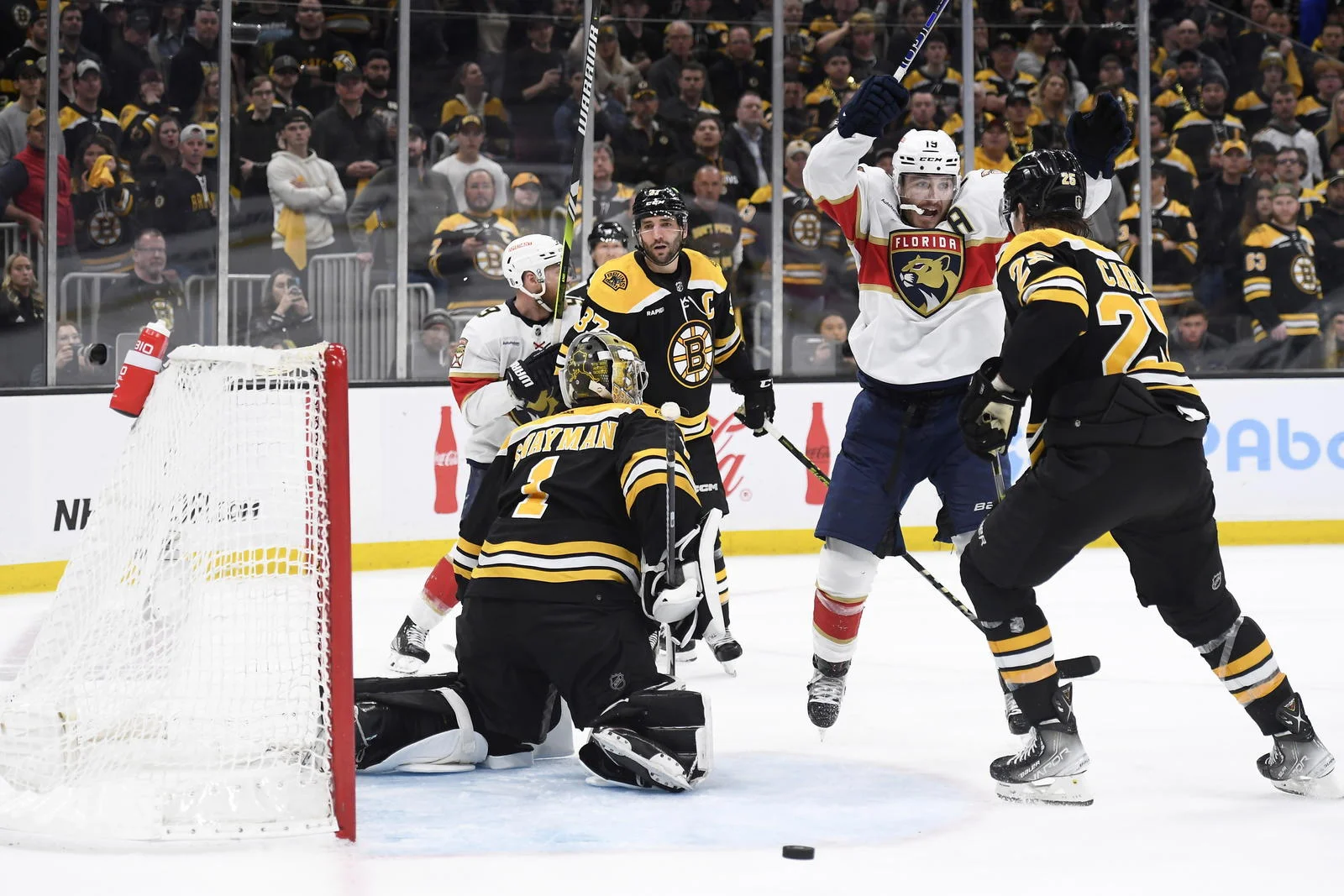
A more structural lesson in playoff failure is found in the 2023 Boston Bruins. They authored the greatest regular season in league history—65 wins, 135 points—only to watch that foundation crumble under the weight of the Florida Panthers. The Bruins, holding a 3-1 series lead, succumbed not just to fatigue or momentum, but to a team that barely qualified for the post-season. The lesson here is that record-breaking efficiency often masks vulnerabilities that elite competition can exploit over a seven-game sample, particularly when opposing goaltending finds a rhythm at the right moment.
Goaltending remains the ultimate equalizer, as demonstrated by the 2010 Montreal Canadiens. Facing the Washington Capitals, an offensive machine anchored by a prime Alex Ovechkin, Montreal entered as the eighth seed with zero skaters breaking the 70-point threshold. The pivot point was singular: Jaroslav Halak. By turning aside 94 of 96 shots in the final two games, Halak illustrated how a singular performance can render an entire roster’s analytical superiority irrelevant. It is the most common variable in playoff upsets: the team with the deeper roster eventually hitting a wall against a team with a hot crease.
History also suggests that transition periods, when mismanaged, lead to early exits. The 2009 Anaheim Ducks, while only two years removed from a Cup, were technically in flux. Yet, they exploited the San Jose Sharks by relying on the elite emergence of Ryan Getzlaf and Corey Perry alongside Jonas Hiller’s .957 save percentage. Similarly, the 2006 Edmonton Oilers exploited the aging core of the Detroit Red Wings. In both cases, the "favorite" relied on established names, while the "underdog" capitalized on a specific, high-intensity window of performance that the favorites were no longer prepared to match.
What links these disparate events is the degradation of the "on-paper" advantage. The NHL's regular season rewards depth and consistency, but the playoffs reward adaptation. A team like the 2006 Oilers was able to use the momentum of an upset to fuel a run to the Finals, whereas the 2019 Blue Jackets effectively peaked for that single series before regressing.
 Every Stanley Cup Final Game 7 in NHL History
The NHL championship-deciding contest between the Edmonton Oilers and Florida Panthers is just the 18th Game 7 in Stanley Cup final history. Here's all of them.
Every Stanley Cup Final Game 7 in NHL History
The NHL championship-deciding contest between the Edmonton Oilers and Florida Panthers is just the 18th Game 7 in Stanley Cup final history. Here's all of them.
For those tracking this year's contenders—Tampa Bay, Carolina, Colorado, and Dallas—the takeaway is not that their dominance is a façade, but that it is fragile. The disparity between a top seed and a wild-card team is often negligible once the puck drops for Game 1. As the league enters the next postseason cycle, observers should look less at point totals and more at the health of the starting goaltender and the recent injury reports. When the margin for error effectively vanishes in April, the teams with the most established "identities" are often the first to be dismantled by squads that have nothing left to lose.
For action-packed issues, access to the entire magazine archive and a free issue, subscribe to The Hockey News at THN.com/free. Get the latest news and trending stories by subscribing to our newsletter here. And share your thoughts by commenting below the article on THN.com or creating your own post in our community forum.