Half a Century of Progress: Tracking the Lionesses’ 500-Game Journey

By Ciara Fleming, BBC Sport journalist | 18 April 2026
England’s senior women’s team is set to hit a significant benchmark this Saturday. When Sarina Wiegman leads her squad against Iceland in Reykjavik (17:30 BST), it will mark the 500th official match in the team's history. While the immediate objective remains a critical victory to secure a World Cup spot in Brazil, the occasion serves as a retrospective on the turbulent trajectory of the women’s game in England.
The road to 500 games has been fraught with systemic obstacles. Most notably, the Football Association’s 1921 ban—which branded the sport "most unsuitable for females"—effectively stifled development for half a century. It was only after this ruling was rescinded in 1971 that the sport began to reclaim its place in the public consciousness.
The growth since then has been exponential, defined by recent surges in professionalization and international silverware. To contextualize this milestone, we’ve analyzed 11 defining moments that charted the course from local park pitches to major trophy defenses on foreign soil.
The Genesis: Official Recognition (1972)
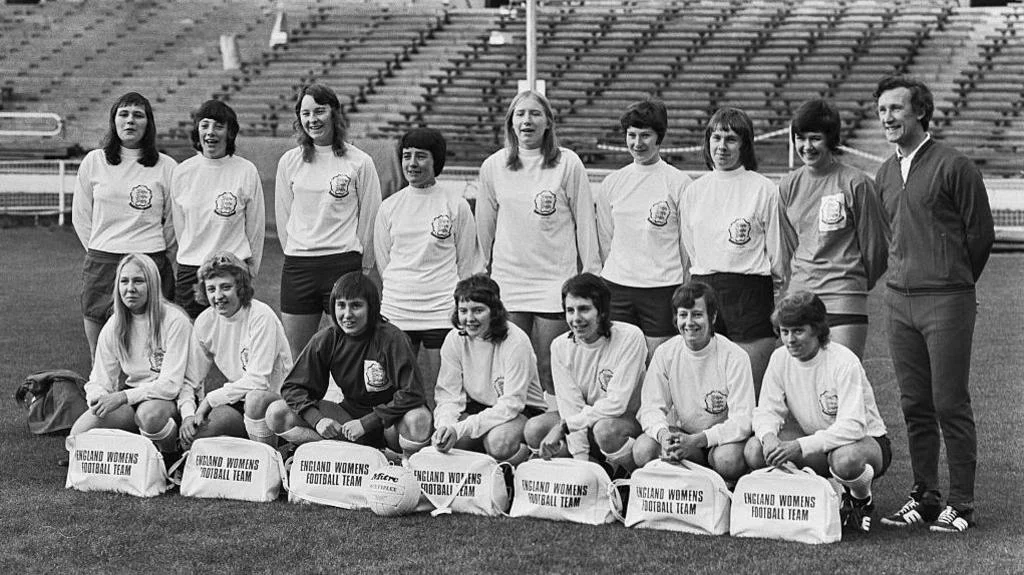
While an unofficial England side participated in a 90,000-spectator global tournament in Mexico in 1971, true institutional recognition arrived in November 1972. The newly formed Women’s Football Association (WFA) sent an official team to Scotland’s Ravenscraig Stadium. In front of a modest crowd of 400, England overturned a deficit to win 3-2. The following year, the momentum carried through as England secured an 8-0 victory in Nuneaton—the team's first official home fixture.
The 1984 European Final
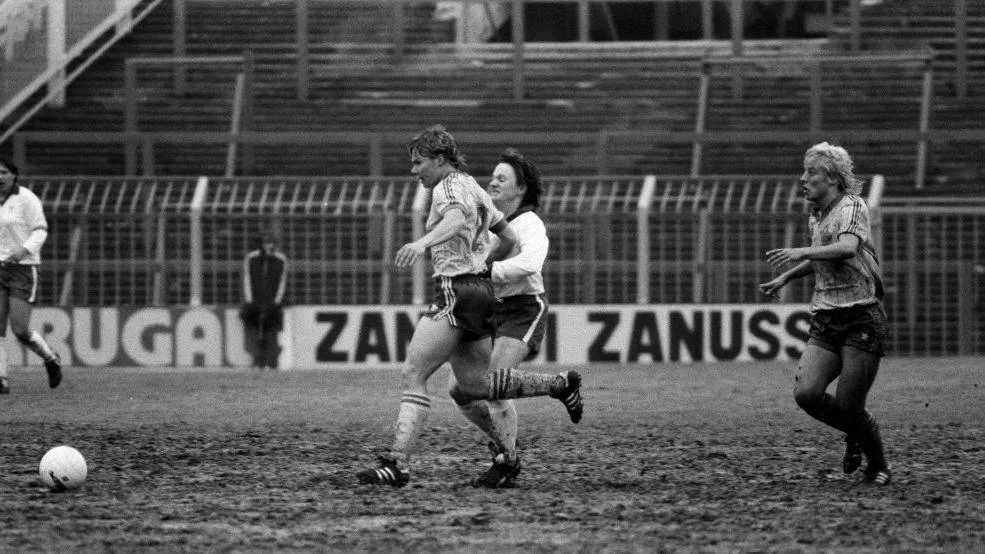
By 1984, England was competing in the inaugural UEFA tournament for women’s teams. After navigating past Denmark, they faced Sweden in a two-legged final. Despite Linda Curl’s goal at Kenilworth Road during the second leg, Sweden eventually clinched the trophy 4-3 on penalties.
Milestones in Visibility and Structure
- 1989: The team made its first Wembley appearance against Sweden, acting as a curtain-raiser to a men’s Rous Cup match. While the audience for the women's match was modest, it signaled a shift in prestige.
- 1993: Recognizing the limitations of volunteer-led management under the WFA, the committee ceded control to the FA. This pivot provided the necessary capital to launch the Women’s Premier League in 1994.
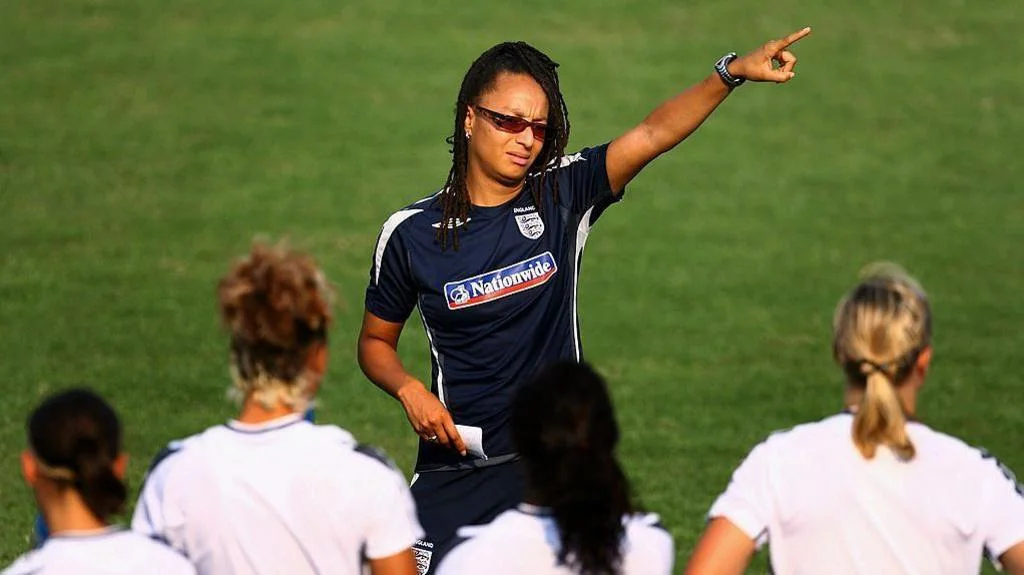
- 1998: The appointment of Hope Powell as the first full-time head coach marked a professional turning point. Her 15-year tenure stabilized the program, guiding the team to six major tournaments, including the 2009 Euro final against Germany.
England host European Championship (2005)
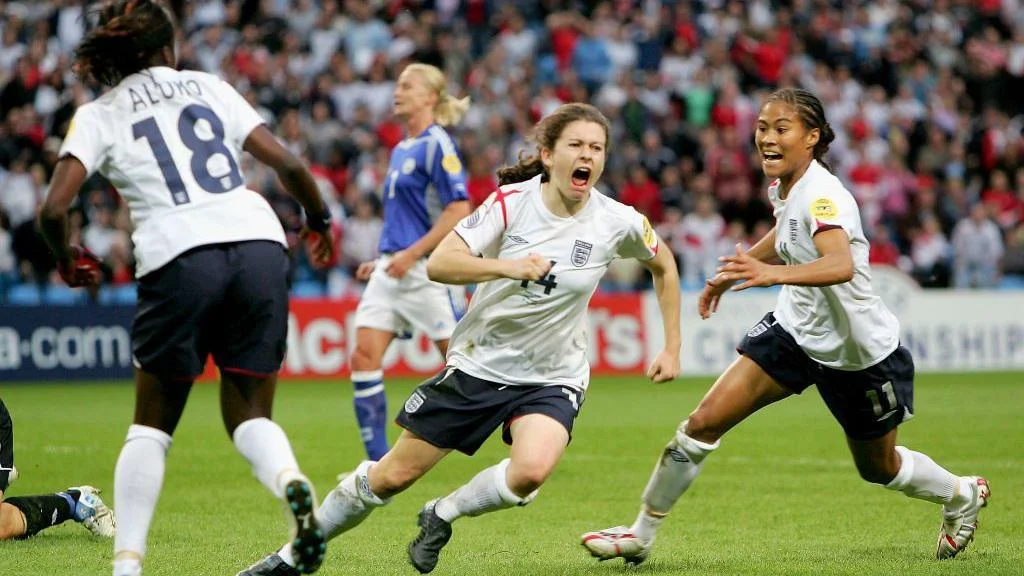
The 2005 European Championship marked a watershed moment for the domestic game, serving as the first time England acted as host for a major women’s tournament. The event proved the Lionesses could mobilize significant public interest: the tournament opener against Finland at the City of Manchester Stadium drew 29,092 fans. Subsequent group fixtures at Ewood Park saw attendances of 14,695 and 25,694, while the final between Germany and Norway attracted a crowd of 21,105. Broadcast coverage by the BBC cemented this visibility, with the game against Sweden reaching a peak audience of three million viewers.
Central contracts introduced (2009)
Beyond the touchline, Hope Powell’s influence was instrumental in reshaping the structural foundation of the women’s game. She championed the creation of the FA National Player Development Centre and pioneered rigorous performance strategies. Crucially, 2009 saw the introduction of central contracts, a move designed to decouple professional play from the necessity of secondary employment. Seventeen players were initially awarded these deals, guaranteeing the time needed for full-time training and recovery. Powell noted at the time that this professionalization was essential for consistent qualification and competing against elite international opposition.
First podium finish at the World Cup (2015)
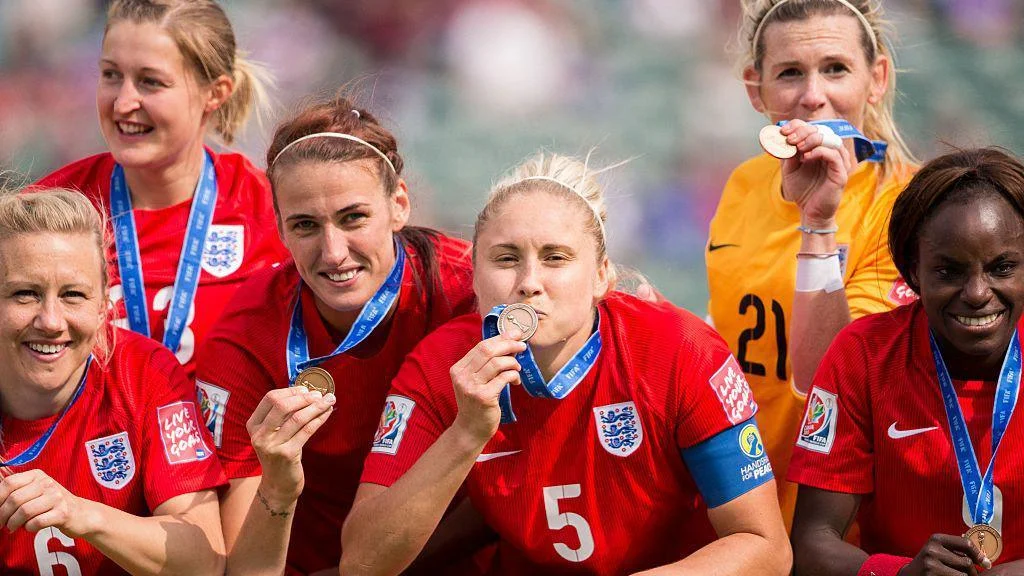
England secured their first-ever World Cup medal in 2015 with a third-place finish in Canada. Despite the heartbreak of a stoppage-time own goal by Laura Bassett that ended their semi-final run against Japan, the squad regrouped effectively. Under Mark Sampson, the team defeated Germany—ending a 31-year winless streak—thanks to an extra-time penalty from Fara Williams. The tournament captured national attention despite the unfavorable time zones, with total viewing figures reaching 11.9 million and individual matches drawing as many as 2.5 million viewers.
First major trophy win (2022)
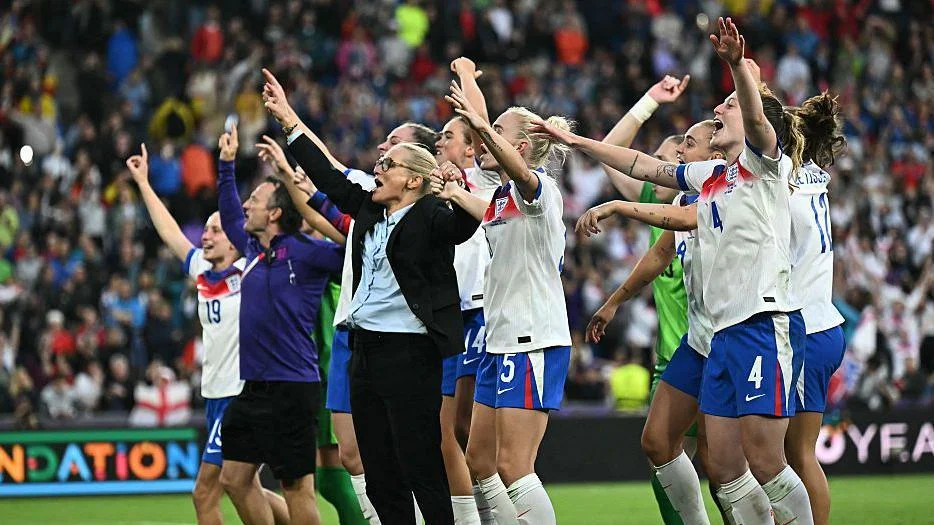
By 2022, the transition from development to dominance was complete as the team secured their first major piece of silverware. Their path to the trophy was clinical: after an initial 1-0 result against Austria, they dismantled Northern Ireland and Norway to command Group A. A resilient comeback against Spain in the quarter-finals preceded a 4-0 demolition of Sweden in the semi-final, headlined by Alessia Russo’s memorable backheel finish. The resulting victory pushed the squad into the national consciousness as household names.
Sarina Wiegman’s tenure as England manager has fundamentally altered the trajectory of the women’s game, mirroring the legacy of Sir Alf Ramsey’s 1966 squad by cementing her own era with a definitive Wembley triumph. That afternoon, 87,192 spectators watched the Lionesses secure a 2-1 victory over Germany, clinched by Chloe Kelly’s opportunistic finish in extra time. The aftermath—from Mary Earps’ impromptu desk-dance to the massive turnout in Trafalgar Square—served as a visceral indicator of the team's newfound cultural gravity.
First World Cup final (2023)
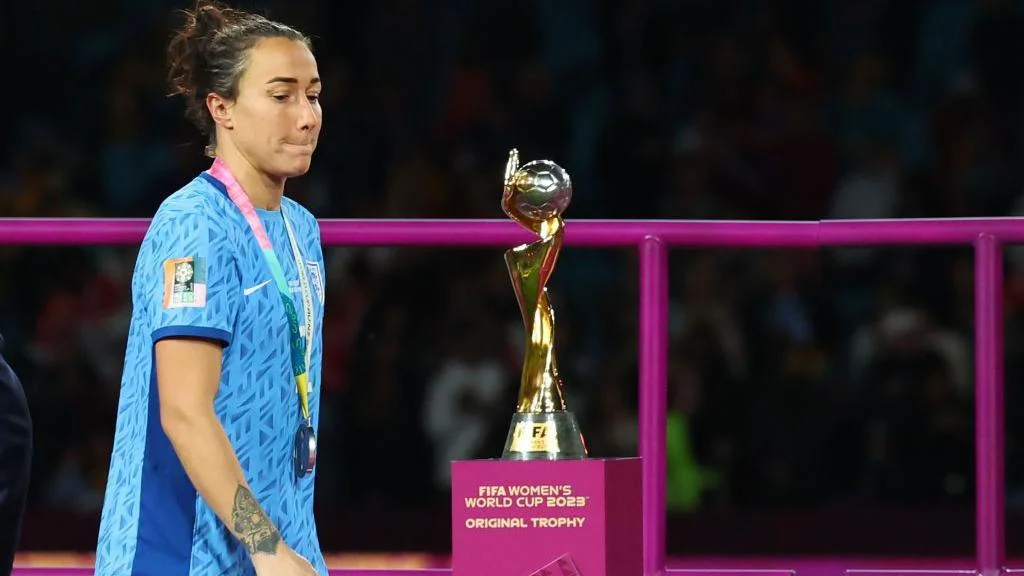
By the time the 2023 World Cup arrived, England were firmly established as favorites. Yet, the roster was compromised; key personnel including captain Leah Williamson and striker Beth Mead were ruled out before the tournament due to ACL injuries. Despite a flawless group stage and subsequent hard-fought victories over Nigeria, Colombia, and Australia, the campaign ultimately hit a wall in Sydney, ending in a 1-0 defeat to Spain.
Successful defence of Euros title (2025)
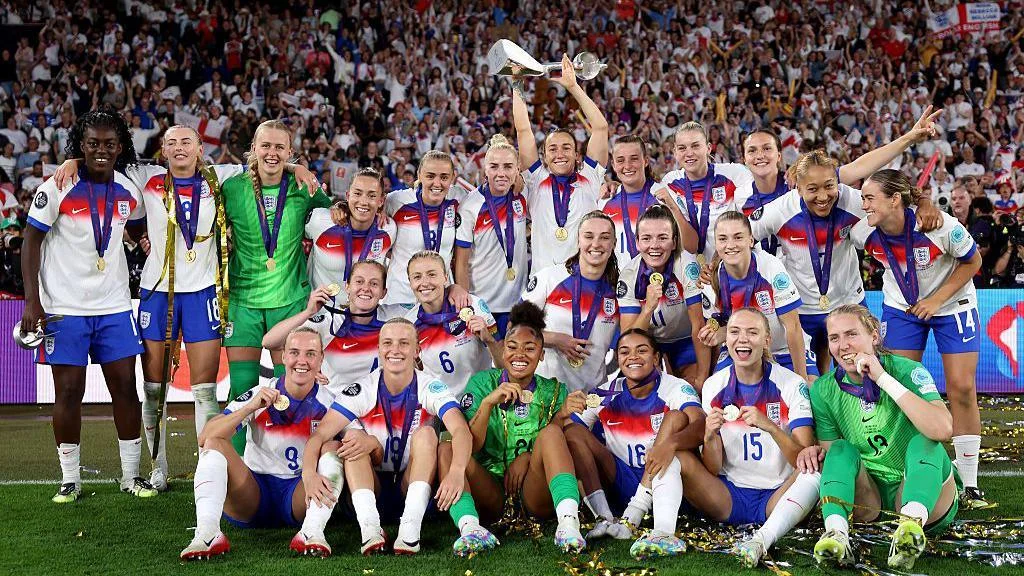
The 2025 European Championship provided the ultimate redemption arc. For Wiegman, the victory marked a personal milestone, serving as her third European title—following her 2022 English success and her 2017 triumph with the Netherlands. This repeat victory confirms that England is no longer just a contender, but a dominant force capable of sustaining success across multiple cycles. The tactical consistency established by Wiegman suggests that the 2023 heartbreak was merely a speed bump in an otherwise relentless professionalization of the national squad.